Product Description
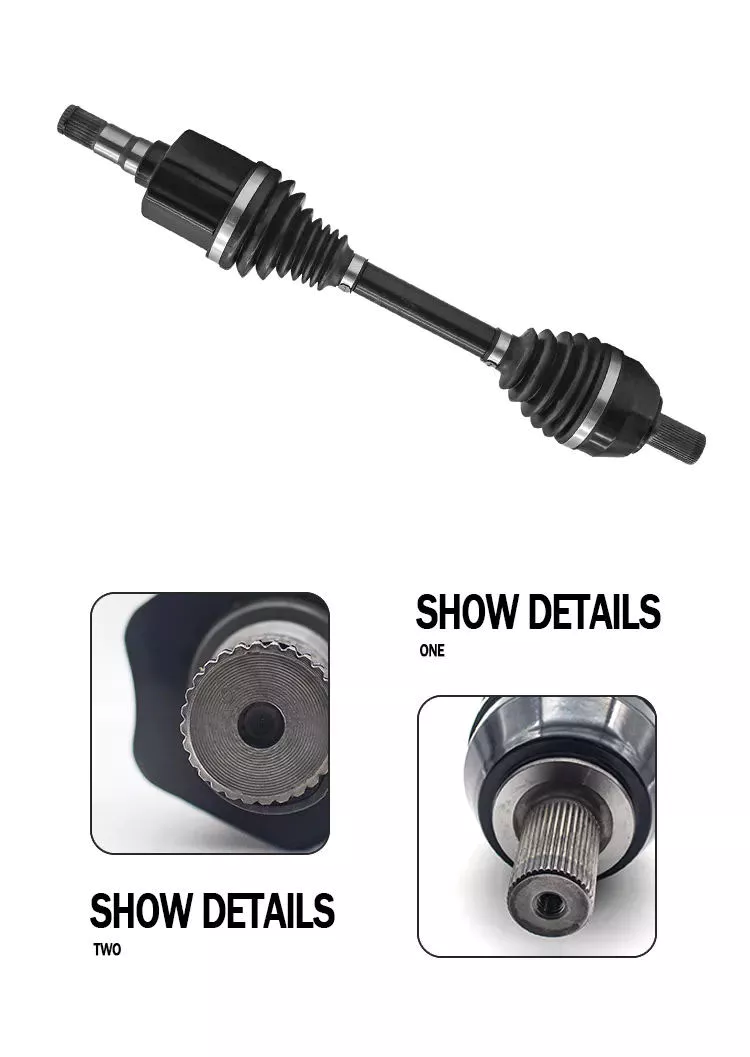
| OE | 9757101104 |
| Vehicle model | Panamera 970 |
We are committed to the production and research and development of transmission shafts, as well as the sales of mid to high-end automotive transmission shafts. We serve high-quality customers with high-quality products. At present, we mainly produce Mercedes Benz, BMW, Audi, Volkswagen, Porsche, Volvo, Land Rover, Jaguar, Maserati, Ferrari, Lamborghini, and Bentley
Reasons for choosing us
1. High quality (quieter to move)
2. After sales worry free (one-on-1 service)
3. Factory direct sales (bypassing intermediaries)
4. Support for 1 custom thread
/* January 22, 2571 19:08:37 */!function(){function s(e,r){var a,o={};try{e&&e.split(“,”).forEach(function(e,t){e&&(a=e.match(/(.*?):(.*)$/))&&1
| After-sales Service: | 12 Months |
|---|---|
| Condition: | New |
| Color: | Black |
| Certification: | ISO |
| Type: | Drive Shaft |
| Application Brand: | Porsche |
| Samples: |
US$ 120/Piece
1 Piece(Min.Order) | |
|---|
| Customization: |
Available
| Customized Request |
|---|
Are there any limitations or disadvantages associated with drive shafts?
While drive shafts are widely used and offer several advantages, they also have certain limitations and disadvantages that should be considered. Here’s a detailed explanation of the limitations and disadvantages associated with drive shafts:
1. Length and Misalignment Constraints:
Drive shafts have a maximum practical length due to factors such as material strength, weight considerations, and the need to maintain rigidity and minimize vibrations. Longer drive shafts can be prone to increased bending and torsional deflection, leading to reduced efficiency and potential driveline vibrations. Additionally, drive shafts require proper alignment between the driving and driven components. Misalignment can cause increased wear, vibrations, and premature failure of the drive shaft or its associated components.
2. Limited Operating Angles:
Drive shafts, especially those using U-joints, have limitations on operating angles. U-joints are typically designed to operate within specific angular ranges, and operating beyond these limits can result in reduced efficiency, increased vibrations, and accelerated wear. In applications requiring large operating angles, constant velocity (CV) joints are often used to maintain a constant speed and accommodate greater angles. However, CV joints may introduce higher complexity and cost compared to U-joints.
3. Maintenance Requirements:
Drive shafts require regular maintenance to ensure optimal performance and reliability. This includes periodic inspection, lubrication of joints, and balancing if necessary. Failure to perform routine maintenance can lead to increased wear, vibrations, and potential driveline issues. Maintenance requirements should be considered in terms of time and resources when using drive shafts in various applications.
4. Noise and Vibration:
Drive shafts can generate noise and vibrations, especially at high speeds or when operating at certain resonant frequencies. Imbalances, misalignment, worn joints, or other factors can contribute to increased noise and vibrations. These vibrations may affect the comfort of vehicle occupants, contribute to component fatigue, and require additional measures such as dampers or vibration isolation systems to mitigate their effects.
5. Weight and Space Constraints:
Drive shafts add weight to the overall system, which can be a consideration in weight-sensitive applications, such as automotive or aerospace industries. Additionally, drive shafts require physical space for installation. In compact or tightly packaged equipment or vehicles, accommodating the necessary drive shaft length and clearances can be challenging, requiring careful design and integration considerations.
6. Cost Considerations:
Drive shafts, depending on their design, materials, and manufacturing processes, can involve significant costs. Customized or specialized drive shafts tailored to specific equipment requirements may incur higher expenses. Additionally, incorporating advanced joint configurations, such as CV joints, can add complexity and cost to the drive shaft system.
7. Inherent Power Loss:
Drive shafts transmit power from the driving source to the driven components, but they also introduce some inherent power loss due to friction, bending, and other factors. This power loss can reduce overall system efficiency, particularly in long drive shafts or applications with high torque requirements. It is important to consider power loss when determining the appropriate drive shaft design and specifications.
8. Limited Torque Capacity:
While drive shafts can handle a wide range of torque loads, there are limits to their torque capacity. Exceeding the maximum torque capacity of a drive shaft can lead to premature failure, resulting in downtime and potential damage to other driveline components. It is crucial to select a drive shaft with sufficient torque capacity for the intended application.
Despite these limitations and disadvantages, drive shafts remain a widely used and effective means of power transmission in various industries. Manufacturers continuously work to address these limitations through advancements in materials, design techniques, joint configurations, and balancing processes. By carefully considering the specific application requirements and potential drawbacks, engineers and designers can mitigate the limitations and maximize the benefits of drive shafts in their respective systems.

How do drive shafts enhance the performance of automobiles and trucks?
Drive shafts play a significant role in enhancing the performance of automobiles and trucks. They contribute to various aspects of vehicle performance, including power delivery, traction, handling, and overall efficiency. Here’s a detailed explanation of how drive shafts enhance the performance of automobiles and trucks:
1. Power Delivery:
Drive shafts are responsible for transferring power from the engine to the wheels, enabling the vehicle to move forward. By efficiently transmitting power without significant losses, drive shafts ensure that the engine’s power is effectively utilized, resulting in improved acceleration and overall performance. Well-designed drive shafts with minimal power loss contribute to the vehicle’s ability to deliver power to the wheels efficiently.
2. Torque Transfer:
Drive shafts facilitate the transfer of torque from the engine to the wheels. Torque is the rotational force that drives the vehicle forward. High-quality drive shafts with proper torque conversion capabilities ensure that the torque generated by the engine is effectively transmitted to the wheels. This enhances the vehicle’s ability to accelerate quickly, tow heavy loads, and climb steep gradients, thereby improving overall performance.
3. Traction and Stability:
Drive shafts contribute to the traction and stability of automobiles and trucks. They transmit power to the wheels, allowing them to exert force on the road surface. This enables the vehicle to maintain traction, especially during acceleration or when driving on slippery or uneven terrain. The efficient power delivery through the drive shafts enhances the vehicle’s stability by ensuring balanced power distribution to all wheels, improving control and handling.
4. Handling and Maneuverability:
Drive shafts have an impact on the handling and maneuverability of vehicles. They help establish a direct connection between the engine and the wheels, allowing for precise control and responsive handling. Well-designed drive shafts with minimal play or backlash contribute to a more direct and immediate response to driver inputs, enhancing the vehicle’s agility and maneuverability.
5. Weight Reduction:
Drive shafts can contribute to weight reduction in automobiles and trucks. Lightweight drive shafts made from materials such as aluminum or carbon fiber-reinforced composites reduce the overall weight of the vehicle. The reduced weight improves the power-to-weight ratio, resulting in better acceleration, handling, and fuel efficiency. Additionally, lightweight drive shafts reduce the rotational mass, allowing the engine to rev up more quickly, further enhancing performance.
6. Mechanical Efficiency:
Efficient drive shafts minimize energy losses during power transmission. By incorporating features such as high-quality bearings, low-friction seals, and optimized lubrication, drive shafts reduce friction and minimize power losses due to internal resistance. This enhances the mechanical efficiency of the drivetrain system, allowing more power to reach the wheels and improving overall vehicle performance.
7. Performance Upgrades:
Drive shaft upgrades can be a popular performance enhancement for enthusiasts. Upgraded drive shafts, such as those made from stronger materials or with enhanced torque capacity, can handle higher power outputs from modified engines. These upgrades allow for increased performance, such as improved acceleration, higher top speeds, and better overall driving dynamics.
8. Compatibility with Performance Modifications:
Performance modifications, such as engine upgrades, increased power output, or changes to the drivetrain system, often require compatible drive shafts. Drive shafts designed to handle higher torque loads or adapt to modified drivetrain configurations ensure optimal performance and reliability. They enable the vehicle to effectively harness the increased power and torque, resulting in improved performance and responsiveness.
9. Durability and Reliability:
Robust and well-maintained drive shafts contribute to the durability and reliability of automobiles and trucks. They are designed to withstand the stresses and loads associated with power transmission. High-quality materials, appropriate balancing, and regular maintenance help ensure that drive shafts operate smoothly, minimizing the risk of failures or performance issues. Reliable drive shafts enhance the overall performance by providing consistent power delivery and minimizing downtime.
10. Compatibility with Advanced Technologies:
Drive shafts are evolving in tandem with advancements in vehicle technologies. They are increasingly being integrated with advanced systems such as hybrid powertrains, electric motors, and regenerative braking. Drive shafts designed to work seamlessly with these technologies maximize their efficiency and performance benefits, contributing to improved overall vehicle performance.
In summary, drive shafts enhance the performance of automobiles and trucks by optimizing power delivery, facilitating torque transfer, improving traction and stability, enhancing handling and maneuverability, reducing weight, increasing mechanical efficiency,and enabling compatibility with performance upgrades and advanced technologies. They play a crucial role in ensuring efficient power transmission, responsive acceleration, precise handling, and overall improved performance of vehicles.
What benefits do drive shafts offer for different types of vehicles and equipment?
Drive shafts offer several benefits for different types of vehicles and equipment. They play a crucial role in power transmission and contribute to the overall performance, efficiency, and functionality of various systems. Here’s a detailed explanation of the benefits that drive shafts provide:
1. Efficient Power Transmission:
Drive shafts enable efficient power transmission from the engine or power source to the wheels or driven components. By connecting the engine or motor to the driven system, drive shafts efficiently transfer rotational power, allowing vehicles and equipment to perform their intended functions. This efficient power transmission ensures that the power generated by the engine is effectively utilized, optimizing the overall performance and productivity of the system.
2. Versatility:
Drive shafts offer versatility in their applications. They are used in various types of vehicles, including cars, trucks, motorcycles, and off-road vehicles. Additionally, drive shafts are employed in a wide range of equipment and machinery, such as agricultural machinery, construction equipment, industrial machinery, and marine vessels. The ability to adapt to different types of vehicles and equipment makes drive shafts a versatile component for power transmission.
3. Torque Handling:
Drive shafts are designed to handle high levels of torque. Torque is the rotational force generated by the engine or power source. Drive shafts are engineered to efficiently transmit this torque without excessive twisting or bending. By effectively handling torque, drive shafts ensure that the power generated by the engine is reliably transferred to the wheels or driven components, enabling vehicles and equipment to overcome resistance, such as heavy loads or challenging terrains.
4. Flexibility and Compensation:
Drive shafts provide flexibility and compensation for angular movement and misalignment. In vehicles, drive shafts accommodate the movement of the suspension system, allowing the wheels to move up and down independently. This flexibility ensures a constant power transfer even when the vehicle encounters uneven terrain. Similarly, in machinery, drive shafts compensate for misalignment between the engine or motor and the driven components, ensuring smooth power transmission and preventing excessive stress on the drivetrain.
5. Weight Reduction:
Drive shafts contribute to weight reduction in vehicles and equipment. Compared to other forms of power transmission, such as belt drives or chain drives, drive shafts are typically lighter in weight. This reduction in weight helps improve fuel efficiency in vehicles and reduces the overall weight of equipment, leading to enhanced maneuverability and increased payload capacity. Additionally, lighter drive shafts contribute to a better power-to-weight ratio, resulting in improved performance and acceleration.
6. Durability and Longevity:
Drive shafts are designed to be durable and long-lasting. They are constructed using materials such as steel or aluminum, which offer high strength and resistance to wear and fatigue. Drive shafts undergo rigorous testing and quality control measures to ensure their reliability and longevity. Proper maintenance, including lubrication and regular inspections, further enhances their durability. The robust construction and long lifespan of drive shafts contribute to the overall reliability and cost-effectiveness of vehicles and equipment.
7. Safety:
Drive shafts incorporate safety features to protect operators and bystanders. In vehicles, drive shafts are often enclosed within a protective tube or housing, preventing contact with moving parts and reducing the risk of injury in the event of a failure. Similarly, in machinery, safety shields or guards are commonly installed around exposed drive shafts to minimize the potential hazards associated with rotating components. These safety measures ensure the well-being of individuals operating or working in proximity to vehicles and equipment.
In summary, drive shafts offer several benefits for different types of vehicles and equipment. They enable efficient power transmission, provide versatility in various applications, handle torque effectively, offer flexibility and compensation, contribute to weight reduction, ensure durability and longevity, and incorporate safety features. By providing these advantages, drive shafts enhance the performance, efficiency, reliability, and safety of vehicles and equipment across a wide range of industries.


editor by CX 2024-03-04
China supplier Suitable for Volkswagen Touareg Drive Shaft Porsche Cayenne Drive Shaft 7L0521102n 95542102010, a Professional Manufacturer of Drive Shafts Cage Support Bearing
Product Description
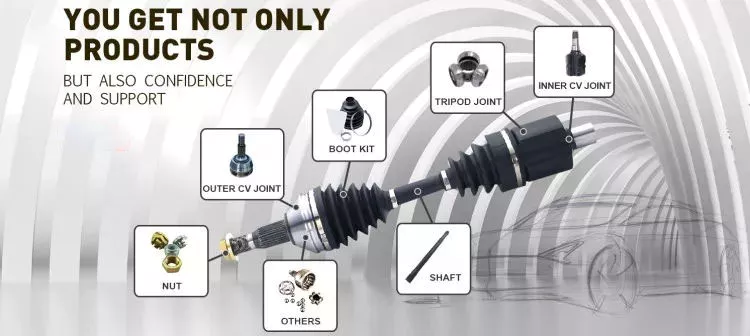
| OE | 7L6521102Q |
| Vehicle model | Volkswagen Touareg Porsche Cayenne |
We are committed to the production and research and development of transmission shafts, as well as the sales of mid to high-end automotive transmission shafts. We serve high-quality customers with high-quality products. At present, we mainly produce Mercedes Benz, BMW, Audi, Volkswagen, Porsche, Volvo, Land Rover, Jaguar, Maserati, Ferrari, Lamborghini, and Bentley
Reasons for choosing us
1. High quality (quieter to move)
2. After sales worry free (one-on-1 service)
3. Factory direct sales (bypassing intermediaries)
4. Support for 1 custom thread
/* March 10, 2571 17:59:20 */!function(){function s(e,r){var a,o={};try{e&&e.split(“,”).forEach(function(e,t){e&&(a=e.match(/(.*?):(.*)$/))&&1
| After-sales Service: | 12 Months |
|---|---|
| Color: | Black |
| Certification: | ISO |
| Type: | Drive Shaft |
| Application Brand: | Volkswagen |
| Material: | Steel |
| Samples: |
US$ 110/Piece
1 Piece(Min.Order) | |
|---|
| Customization: |
Available
| Customized Request |
|---|
How do drive shafts ensure efficient power transfer while maintaining balance?
Drive shafts employ various mechanisms to ensure efficient power transfer while maintaining balance. Efficient power transfer refers to the ability of the drive shaft to transmit rotational power from the source (such as an engine) to the driven components (such as wheels or machinery) with minimal energy loss. Balancing, on the other hand, involves minimizing vibrations and eliminating any uneven distribution of mass that can cause disturbances during operation. Here’s an explanation of how drive shafts achieve both efficient power transfer and balance:
1. Material Selection:
The material selection for drive shafts is crucial for maintaining balance and ensuring efficient power transfer. Drive shafts are commonly made from materials such as steel or aluminum alloys, chosen for their strength, stiffness, and durability. These materials have excellent dimensional stability and can withstand the torque loads encountered during operation. By using high-quality materials, drive shafts can minimize deformation, flexing, and imbalances that could compromise power transmission and generate vibrations.
2. Design Considerations:
The design of the drive shaft plays a significant role in both power transfer efficiency and balance. Drive shafts are engineered to have appropriate dimensions, including diameter and wall thickness, to handle the anticipated torque loads without excessive deflection or vibration. The design also considers factors such as the length of the drive shaft, the number and type of joints (such as universal joints or constant velocity joints), and the use of balancing weights. By carefully designing the drive shaft, manufacturers can achieve optimal power transfer efficiency while minimizing the potential for imbalance-induced vibrations.
3. Balancing Techniques:
Balance is crucial for drive shafts as any imbalance can cause vibrations, noise, and accelerated wear. To maintain balance, drive shafts undergo various balancing techniques during the manufacturing process. Static and dynamic balancing methods are employed to ensure that the mass distribution along the drive shaft is uniform. Static balancing involves adding counterweights at specific locations to offset any weight imbalances. Dynamic balancing is performed by spinning the drive shaft at high speeds and measuring any vibrations. If imbalances are detected, additional adjustments are made to achieve a balanced state. These balancing techniques help minimize vibrations and ensure smooth operation of the drive shaft.
4. Universal Joints and Constant Velocity Joints:
Drive shafts often incorporate universal joints (U-joints) or constant velocity (CV) joints to accommodate misalignment and maintain balance during operation. U-joints are flexible joints that allow for angular movement between shafts. They are typically used in applications where the drive shaft operates at varying angles. CV joints, on the other hand, are designed to maintain a constant velocity of rotation and are commonly used in front-wheel-drive vehicles. By incorporating these joints, drive shafts can compensate for misalignment, reduce stress on the shaft, and minimize vibrations that can negatively impact power transfer efficiency and balance.
5. Maintenance and Inspection:
Regular maintenance and inspection of drive shafts are essential for ensuring efficient power transfer and balance. Periodic checks for wear, damage, or misalignment can help identify any issues that may affect the drive shaft’s performance. Lubrication of the joints and proper tightening of fasteners are also critical for maintaining optimal operation. By adhering to recommended maintenance procedures, any imbalances or inefficiencies can be addressed promptly, ensuring continued efficient power transfer and balance.
In summary, drive shafts ensure efficient power transfer while maintaining balance through careful material selection, thoughtful design considerations, balancing techniques, and the incorporation of flexible joints. By optimizing these factors, drive shafts can transmit rotational power smoothly and reliably, minimizing energy losses and vibrations that can impact performance and longevity.

How do drive shafts contribute to the efficiency of vehicle propulsion and power transmission?
Drive shafts play a crucial role in the efficiency of vehicle propulsion and power transmission systems. They are responsible for transferring power from the engine or power source to the wheels or driven components. Here’s a detailed explanation of how drive shafts contribute to the efficiency of vehicle propulsion and power transmission:
1. Power Transfer:
Drive shafts transmit power from the engine or power source to the wheels or driven components. By efficiently transferring rotational energy, drive shafts enable the vehicle to move forward or drive the machinery. The design and construction of drive shafts ensure minimal power loss during the transfer process, maximizing the efficiency of power transmission.
2. Torque Conversion:
Drive shafts can convert torque from the engine or power source to the wheels or driven components. Torque conversion is necessary to match the power characteristics of the engine with the requirements of the vehicle or machinery. Drive shafts with appropriate torque conversion capabilities ensure that the power delivered to the wheels is optimized for efficient propulsion and performance.
3. Constant Velocity (CV) Joints:
Many drive shafts incorporate Constant Velocity (CV) joints, which help maintain a constant speed and efficient power transmission, even when the driving and driven components are at different angles. CV joints allow for smooth power transfer and minimize vibration or power losses that may occur due to changing operating angles. By maintaining constant velocity, drive shafts contribute to efficient power transmission and improved overall vehicle performance.
4. Lightweight Construction:
Efficient drive shafts are often designed with lightweight materials, such as aluminum or composite materials. Lightweight construction reduces the rotational mass of the drive shaft, which results in lower inertia and improved efficiency. Reduced rotational mass enables the engine to accelerate and decelerate more quickly, allowing for better fuel efficiency and overall vehicle performance.
5. Minimized Friction:
Efficient drive shafts are engineered to minimize frictional losses during power transmission. They incorporate features such as high-quality bearings, low-friction seals, and proper lubrication to reduce energy losses caused by friction. By minimizing friction, drive shafts enhance power transmission efficiency and maximize the available power for propulsion or operating other machinery.
6. Balanced and Vibration-Free Operation:
Drive shafts undergo dynamic balancing during the manufacturing process to ensure smooth and vibration-free operation. Imbalances in the drive shaft can lead to power losses, increased wear, and vibrations that reduce overall efficiency. By balancing the drive shaft, it can spin evenly, minimizing vibrations and optimizing power transmission efficiency.
7. Maintenance and Regular Inspection:
Proper maintenance and regular inspection of drive shafts are essential for maintaining their efficiency. Regular lubrication, inspection of joints and components, and prompt repair or replacement of worn or damaged parts help ensure optimal power transmission efficiency. Well-maintained drive shafts operate with minimal friction, reduced power losses, and improved overall efficiency.
8. Integration with Efficient Transmission Systems:
Drive shafts work in conjunction with efficient transmission systems, such as manual, automatic, or continuously variable transmissions. These transmissions help optimize power delivery and gear ratios based on driving conditions and vehicle speed. By integrating with efficient transmission systems, drive shafts contribute to the overall efficiency of the vehicle propulsion and power transmission system.
9. Aerodynamic Considerations:
In some cases, drive shafts are designed with aerodynamic considerations in mind. Streamlined drive shafts, often used in high-performance or electric vehicles, minimize drag and air resistance to improve overall vehicle efficiency. By reducing aerodynamic drag, drive shafts contribute to the efficient propulsion and power transmission of the vehicle.
10. Optimized Length and Design:
Drive shafts are designed to have optimal lengths and designs to minimize energy losses. Excessive drive shaft length or improper design can introduce additional rotational mass, increase bending stresses, and result in energy losses. By optimizing the length and design, drive shafts maximize power transmission efficiency and contribute to improved overall vehicle efficiency.
Overall, drive shafts contribute to the efficiency of vehicle propulsion and power transmission through effective power transfer, torque conversion, utilization of CV joints, lightweight construction, minimized friction, balanced operation, regular maintenance, integration with efficient transmission systems, aerodynamic considerations, and optimized length and design. By ensuring efficient power delivery and minimizing energy losses, drive shafts play a significant role in enhancing the overall efficiency and performance of vehicles and machinery.
What benefits do drive shafts offer for different types of vehicles and equipment?
Drive shafts offer several benefits for different types of vehicles and equipment. They play a crucial role in power transmission and contribute to the overall performance, efficiency, and functionality of various systems. Here’s a detailed explanation of the benefits that drive shafts provide:
1. Efficient Power Transmission:
Drive shafts enable efficient power transmission from the engine or power source to the wheels or driven components. By connecting the engine or motor to the driven system, drive shafts efficiently transfer rotational power, allowing vehicles and equipment to perform their intended functions. This efficient power transmission ensures that the power generated by the engine is effectively utilized, optimizing the overall performance and productivity of the system.
2. Versatility:
Drive shafts offer versatility in their applications. They are used in various types of vehicles, including cars, trucks, motorcycles, and off-road vehicles. Additionally, drive shafts are employed in a wide range of equipment and machinery, such as agricultural machinery, construction equipment, industrial machinery, and marine vessels. The ability to adapt to different types of vehicles and equipment makes drive shafts a versatile component for power transmission.
3. Torque Handling:
Drive shafts are designed to handle high levels of torque. Torque is the rotational force generated by the engine or power source. Drive shafts are engineered to efficiently transmit this torque without excessive twisting or bending. By effectively handling torque, drive shafts ensure that the power generated by the engine is reliably transferred to the wheels or driven components, enabling vehicles and equipment to overcome resistance, such as heavy loads or challenging terrains.
4. Flexibility and Compensation:
Drive shafts provide flexibility and compensation for angular movement and misalignment. In vehicles, drive shafts accommodate the movement of the suspension system, allowing the wheels to move up and down independently. This flexibility ensures a constant power transfer even when the vehicle encounters uneven terrain. Similarly, in machinery, drive shafts compensate for misalignment between the engine or motor and the driven components, ensuring smooth power transmission and preventing excessive stress on the drivetrain.
5. Weight Reduction:
Drive shafts contribute to weight reduction in vehicles and equipment. Compared to other forms of power transmission, such as belt drives or chain drives, drive shafts are typically lighter in weight. This reduction in weight helps improve fuel efficiency in vehicles and reduces the overall weight of equipment, leading to enhanced maneuverability and increased payload capacity. Additionally, lighter drive shafts contribute to a better power-to-weight ratio, resulting in improved performance and acceleration.
6. Durability and Longevity:
Drive shafts are designed to be durable and long-lasting. They are constructed using materials such as steel or aluminum, which offer high strength and resistance to wear and fatigue. Drive shafts undergo rigorous testing and quality control measures to ensure their reliability and longevity. Proper maintenance, including lubrication and regular inspections, further enhances their durability. The robust construction and long lifespan of drive shafts contribute to the overall reliability and cost-effectiveness of vehicles and equipment.
7. Safety:
Drive shafts incorporate safety features to protect operators and bystanders. In vehicles, drive shafts are often enclosed within a protective tube or housing, preventing contact with moving parts and reducing the risk of injury in the event of a failure. Similarly, in machinery, safety shields or guards are commonly installed around exposed drive shafts to minimize the potential hazards associated with rotating components. These safety measures ensure the well-being of individuals operating or working in proximity to vehicles and equipment.
In summary, drive shafts offer several benefits for different types of vehicles and equipment. They enable efficient power transmission, provide versatility in various applications, handle torque effectively, offer flexibility and compensation, contribute to weight reduction, ensure durability and longevity, and incorporate safety features. By providing these advantages, drive shafts enhance the performance, efficiency, reliability, and safety of vehicles and equipment across a wide range of industries.
editor by CX 2024-02-18
China Good quality Applicable to Porsche Panamera Drive Shaft 970 Series 97042101102 97042101104 Panamera Drive Shaft Universal Joint Disc Ball Cage Dust Cover Bearing
Product Description
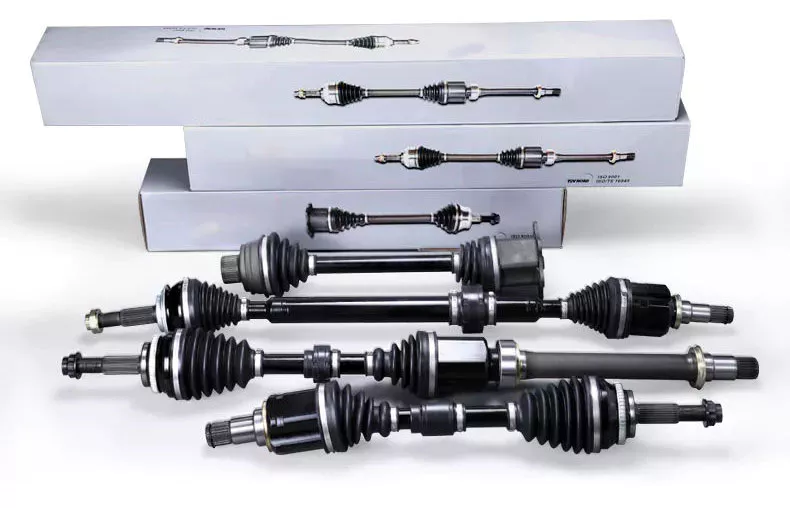
| OE | 9757101104 |
| Vehicle model | Panamera 970 |
We are committed to the production and research and development of transmission shafts, as well as the sales of mid to high-end automotive transmission shafts. We serve high-quality customers with high-quality products. At present, we mainly produce Mercedes Benz, BMW, Audi, Volkswagen, Porsche, Volvo, Land Rover, Jaguar, Maserati, Ferrari, Lamborghini, and Bentley
Reasons for choosing us
1. High quality (quieter to move)
2. After sales worry free (one-on-1 service)
3. Factory direct sales (bypassing intermediaries)
4. Support for 1 custom thread
/* March 10, 2571 17:59:20 */!function(){function s(e,r){var a,o={};try{e&&e.split(“,”).forEach(function(e,t){e&&(a=e.match(/(.*?):(.*)$/))&&1
| After-sales Service: | 12 Months |
|---|---|
| Condition: | New |
| Color: | Black |
| Certification: | ISO |
| Type: | Drive Shaft |
| Application Brand: | Porsche |
| Samples: |
US$ 120/Piece
1 Piece(Min.Order) | |
|---|
| Customization: |
Available
| Customized Request |
|---|
What maintenance practices are crucial for prolonging the lifespan of drive shafts?
To prolong the lifespan of drive shafts and ensure their optimal performance, several maintenance practices are crucial. Regular maintenance helps identify and address potential issues before they escalate, reduces wear and tear, and ensures the drive shaft operates smoothly and efficiently. Here are some essential maintenance practices for prolonging the lifespan of drive shafts:
1. Regular Inspection:
Performing regular inspections is vital for detecting any signs of wear, damage, or misalignment. Inspect the drive shaft visually, looking for cracks, dents, or any signs of excessive wear on the shaft itself and its associated components such as joints, yokes, and splines. Check for any signs of lubrication leaks or contamination. Additionally, inspect the fasteners and mounting points to ensure they are secure. Early detection of any issues allows for timely repairs or replacements, preventing further damage to the drive shaft.
2. Lubrication:
Proper lubrication is essential for the smooth operation and longevity of drive shafts. Lubricate the joints, such as universal joints or constant velocity joints, as recommended by the manufacturer. Lubrication reduces friction, minimizes wear, and helps dissipate heat generated during operation. Use the appropriate lubricant specified for the specific drive shaft and application, considering factors such as temperature, load, and operating conditions. Regularly check the lubrication levels and replenish as necessary to ensure optimal performance and prevent premature failure.
3. Balancing and Alignment:
Maintaining proper balancing and alignment is crucial for the lifespan of drive shafts. Imbalances or misalignments can lead to vibrations, accelerated wear, and potential failure. If vibrations or unusual noises are detected during operation, it is important to address them promptly. Perform balancing procedures as necessary, including dynamic balancing, to ensure even weight distribution along the drive shaft. Additionally, verify that the drive shaft is correctly aligned with the engine or power source and the driven components. Misalignment can cause excessive stress on the drive shaft, leading to premature failure.
4. Protective Coatings:
Applying protective coatings can help prolong the lifespan of drive shafts, particularly in applications exposed to harsh environments or corrosive substances. Consider using coatings such as zinc plating, powder coating, or specialized corrosion-resistant coatings to enhance the drive shaft’s resistance to corrosion, rust, and chemical damage. Regularly inspect the coating for any signs of degradation or damage, and reapply or repair as necessary to maintain the protective barrier.
5. Torque and Fastener Checks:
Ensure that the drive shaft’s fasteners, such as bolts, nuts, or clamps, are properly torqued and secured according to the manufacturer’s specifications. Loose or improperly tightened fasteners can lead to excessive vibrations, misalignment, or even detachment of the drive shaft. Periodically check and retighten the fasteners as recommended or after any maintenance or repair procedures. Additionally, monitor the torque levels during operation to ensure they remain within the specified range, as excessive torque can strain the drive shaft and lead to premature failure.
6. Environmental Protection:
Protecting the drive shaft from environmental factors can significantly extend its lifespan. In applications exposed to extreme temperatures, moisture, chemicals, or abrasive substances, take appropriate measures to shield the drive shaft. This may include using protective covers, seals, or guards to prevent contaminants from entering and causing damage. Regular cleaning of the drive shaft, especially in dirty or corrosive environments, can also help remove debris and prevent buildup that could compromise its performance and longevity.
7. Manufacturer Guidelines:
Follow the manufacturer’s guidelines and recommendations for maintenance practices specific to the drive shaft model and application. The manufacturer’s instructions may include specific intervals for inspections, lubrication, balancing, or other maintenance tasks. Adhering to these guidelines ensures that the drive shaft is properly maintained and serviced, maximizing its lifespan and minimizing the risk of unexpected failures.
By implementing these maintenance practices, drive shafts can operate reliably, maintain efficient power transmission, and have an extended service life, ultimately reducing downtime and ensuring optimal performance in various applications.

How do drive shafts enhance the performance of automobiles and trucks?
Drive shafts play a significant role in enhancing the performance of automobiles and trucks. They contribute to various aspects of vehicle performance, including power delivery, traction, handling, and overall efficiency. Here’s a detailed explanation of how drive shafts enhance the performance of automobiles and trucks:
1. Power Delivery: Drive shafts are responsible for transmitting power from the engine to the wheels, enabling the vehicle to move forward. By efficiently transferring power without significant losses, drive shafts ensure that the engine’s power is effectively utilized, resulting in improved acceleration and overall performance. Well-designed drive shafts with minimal power loss contribute to the vehicle’s ability to deliver power to the wheels efficiently.
2. Torque Transfer: Drive shafts facilitate the transfer of torque from the engine to the wheels. Torque is the rotational force that drives the vehicle forward. High-quality drive shafts with proper torque conversion capabilities ensure that the torque generated by the engine is effectively transmitted to the wheels. This enhances the vehicle’s ability to accelerate quickly, tow heavy loads, and climb steep gradients, thereby improving overall performance.
3. Traction and Stability: Drive shafts contribute to the traction and stability of automobiles and trucks. They transmit power to the wheels, allowing them to exert force on the road surface. This enables the vehicle to maintain traction, especially during acceleration or when driving on slippery or uneven terrain. The efficient power delivery through the drive shafts enhances the vehicle’s stability by ensuring balanced power distribution to all wheels, improving control and handling.
4. Handling and Maneuverability: Drive shafts have an impact on the handling and maneuverability of vehicles. They help establish a direct connection between the engine and the wheels, allowing for precise control and responsive handling. Well-designed drive shafts with minimal play or backlash contribute to a more direct and immediate response to driver inputs, enhancing the vehicle’s agility and maneuverability.
5. Weight Reduction: Drive shafts can contribute to weight reduction in automobiles and trucks. Lightweight drive shafts made from materials such as aluminum or carbon fiber-reinforced composites reduce the overall weight of the vehicle. The reduced weight improves the power-to-weight ratio, resulting in better acceleration, handling, and fuel efficiency. Additionally, lightweight drive shafts reduce the rotational mass, allowing the engine to rev up more quickly, further enhancing performance.
6. Mechanical Efficiency: Efficient drive shafts minimize energy losses during power transmission. By incorporating features such as high-quality bearings, low-friction seals, and optimized lubrication, drive shafts reduce friction and minimize power losses due to internal resistance. This enhances the mechanical efficiency of the drivetrain system, allowing more power to reach the wheels and improving overall vehicle performance.
7. Performance Upgrades: Drive shaft upgrades can be popular performance enhancements for enthusiasts. Upgraded drive shafts, such as those made from stronger materials or with enhanced torque capacity, can handle higher power outputs from modified engines. These upgrades allow for increased performance, such as improved acceleration, higher top speeds, and better overall driving dynamics.
8. Compatibility with Performance Modifications: Performance modifications, such as engine upgrades, increased power output, or changes to the drivetrain system, often require compatible drive shafts. Drive shafts designed to handle higher torque loads or adapt to modified drivetrain configurations ensure optimal performance and reliability. They enable the vehicle to effectively harness the increased power and torque, resulting in improved performance and responsiveness.
9. Durability and Reliability: Robust and well-maintained drive shafts contribute to the durability and reliability of automobiles and trucks. They are designed to withstand the stresses and loads associated with power transmission. High-quality materials, appropriate balancing, and regular maintenance help ensure that drive shafts operate smoothly, minimizing the risk of failures or performance issues. Reliable drive shafts enhance the overall performance by providing consistent power delivery and minimizing downtime.
10. Compatibility with Advanced Technologies: Drive shafts are evolving in tandem with advancements in vehicle technologies. They are increasingly being integrated with advanced systems such as hybrid powertrains, electric motors, and regenerative braking. Drive shafts designed to work seamlessly with these technologies maximize their efficiency and performance benefits, contributing to improved overall vehicle performance.
In summary, drive shafts enhance the performance of automobiles and trucks by optimizing power delivery, facilitating torque transfer, improving traction and stability, enhancing handling and maneuverability, reducing weight, increasing mechanical efficiency, enabling compatibility with performance upgrades and advanced technologies, and ensuring durability and reliability. They play a crucial role in ensuring efficient power transmission, responsive acceleration, precise handling, and overall improved performance of vehicles.

What is a drive shaft and how does it function in vehicles and machinery?
A drive shaft, also known as a propeller shaft or prop shaft, is a mechanical component that plays a critical role in transmitting rotational power from the engine to the wheels or other driven components in vehicles and machinery. It is commonly used in various types of vehicles, including cars, trucks, motorcycles, and agricultural or industrial machinery. Here’s a detailed explanation of what a drive shaft is and how it functions:
1. Definition and Construction: A drive shaft is a cylindrical metal tube that connects the engine or power source to the wheels or driven components. It is typically made of steel or aluminum and consists of one or more tubular sections with universal joints (U-joints) at each end. These U-joints allow for angular movement and compensation of misalignment between the engine/transmission and the driven wheels or components.
2. Power Transmission: The primary function of a drive shaft is to transmit rotational power from the engine or power source to the wheels or driven components. In vehicles, the drive shaft connects the transmission or gearbox output shaft to the differential, which then transfers power to the wheels. In machinery, the drive shaft transfers power from the engine or motor to various driven components such as pumps, generators, or other mechanical systems.
3. Torque and Speed: The drive shaft is responsible for transmitting both torque and rotational speed. Torque is the rotational force generated by the engine or power source, while rotational speed is the number of revolutions per minute (RPM). The drive shaft must be capable of transmitting the required torque without excessive twisting or bending and maintaining the desired rotational speed for efficient operation of the driven components.
4. Flexible Coupling: The U-joints on the drive shaft provide a flexible coupling that allows for angular movement and compensation of misalignment between the engine/transmission and the driven wheels or components. As the suspension system of a vehicle moves or the machinery operates on uneven terrain, the drive shaft can adjust its length and angle to accommodate these movements, ensuring smooth power transmission and preventing damage to the drivetrain components.
5. Length and Balance: The length of the drive shaft is determined by the distance between the engine or power source and the driven wheels or components. It should be appropriately sized to ensure proper power transmission and avoid excessive vibrations or bending. Additionally, the drive shaft is carefully balanced to minimize vibrations and rotational imbalances, which can cause discomfort, reduce efficiency, and lead to premature wear of drivetrain components.
6. Safety Considerations: Drive shafts in vehicles and machinery require proper safety measures. In vehicles, drive shafts are often enclosed within a protective tube or housing to prevent contact with moving parts and reduce the risk of injury in the event of a malfunction or failure. Additionally, safety shields or guards are commonly installed around exposed drive shafts in machinery to protect operators from potential hazards associated with rotating components.
7. Maintenance and Inspection: Regular maintenance and inspection of drive shafts are essential to ensure their proper functioning and longevity. This includes checking for signs of wear, damage, or excessive play in the U-joints, inspecting the drive shaft for any cracks or deformations, and lubricating the U-joints as recommended by the manufacturer. Proper maintenance helps prevent failures, ensures optimal performance, and prolongs the service life of the drive shaft.
In summary, a drive shaft is a mechanical component that transmits rotational power from the engine or power source to the wheels or driven components in vehicles and machinery. It functions by providing a rigid connection between the engine/transmission and the driven wheels or components, while also allowing for angular movement and compensation of misalignment through the use of U-joints. The drive shaft plays a crucial role in power transmission, torque and speed delivery, flexible coupling, length and balance considerations, safety, and maintenance requirements. Its proper functioning is essential for the smooth and efficient operation of vehicles and machinery.
editor by CX 2024-02-06
China high quality Porsch Cayenne 955 OE 95542102012 Center Support Bearing Auto Parts Drive Shaft Installation
Product Description
Product Description
Basic Info.
| Model NO. | Parts | Auto Parts For Center Support Bearing | ||||||||
| Specification | Bearing ID 20-85mm | Trademark | YTK or Customized | |||||||
| Price | Negotiable | Transport Packing | Neutral Packing & Customized | |||||||
| Exportation | ZheJiang Port | Bearing Quality | ZV3 Level | |||||||
| Warranty | One Year or Above | Laser Mark | Available | |||||||
| Applicable Models | Production Capacity | 60, | Φ30 | CB | Φ35 Φ40 | 3535730 | Φ60 | |||
| Φ60 | Φ60 | 6 | Φ65 |
-FAQ:
Q1. What is your terms of packing?
Generally, we pack our goods in neutral boxes and brown cartons or as your demand.
If you have legally registered patent,we can pack the goods in your branded boxes after getting your authorization letters.
Q2. What is your terms of delivery?
EXW, FOB, CIF, CFR
Q3. How about your delivery time?
Generally, it will take 10 to 30 days after receiving your advance payment.
The specific delivery time depends on the items and the quantity of your order.
/* March 10, 2571 17:59:20 */!function(){function s(e,r){var a,o={};try{e&&e.split(“,”).forEach(function(e,t){e&&(a=e.match(/(.*?):(.*)$/))&&1
| After-sales Service: | 1 Year |
|---|---|
| Condition: | New |
| Color: | Black |
| Certification: | ISO |
| Material: | Rubber |
| Transport Package: | as Your Demand |
| Samples: |
US$ 0.1/Piece
1 Piece(Min.Order) | |
|---|
| Customization: |
Available
| Customized Request |
|---|
How do drive shafts ensure efficient power transfer while maintaining balance?
Drive shafts employ various mechanisms to ensure efficient power transfer while maintaining balance. Efficient power transfer refers to the ability of the drive shaft to transmit rotational power from the source (such as an engine) to the driven components (such as wheels or machinery) with minimal energy loss. Balancing, on the other hand, involves minimizing vibrations and eliminating any uneven distribution of mass that can cause disturbances during operation. Here’s an explanation of how drive shafts achieve both efficient power transfer and balance:
1. Material Selection:
The material selection for drive shafts is crucial for maintaining balance and ensuring efficient power transfer. Drive shafts are commonly made from materials such as steel or aluminum alloys, chosen for their strength, stiffness, and durability. These materials have excellent dimensional stability and can withstand the torque loads encountered during operation. By using high-quality materials, drive shafts can minimize deformation, flexing, and imbalances that could compromise power transmission and generate vibrations.
2. Design Considerations:
The design of the drive shaft plays a significant role in both power transfer efficiency and balance. Drive shafts are engineered to have appropriate dimensions, including diameter and wall thickness, to handle the anticipated torque loads without excessive deflection or vibration. The design also considers factors such as the length of the drive shaft, the number and type of joints (such as universal joints or constant velocity joints), and the use of balancing weights. By carefully designing the drive shaft, manufacturers can achieve optimal power transfer efficiency while minimizing the potential for imbalance-induced vibrations.
3. Balancing Techniques:
Balance is crucial for drive shafts as any imbalance can cause vibrations, noise, and accelerated wear. To maintain balance, drive shafts undergo various balancing techniques during the manufacturing process. Static and dynamic balancing methods are employed to ensure that the mass distribution along the drive shaft is uniform. Static balancing involves adding counterweights at specific locations to offset any weight imbalances. Dynamic balancing is performed by spinning the drive shaft at high speeds and measuring any vibrations. If imbalances are detected, additional adjustments are made to achieve a balanced state. These balancing techniques help minimize vibrations and ensure smooth operation of the drive shaft.
4. Universal Joints and Constant Velocity Joints:
Drive shafts often incorporate universal joints (U-joints) or constant velocity (CV) joints to accommodate misalignment and maintain balance during operation. U-joints are flexible joints that allow for angular movement between shafts. They are typically used in applications where the drive shaft operates at varying angles. CV joints, on the other hand, are designed to maintain a constant velocity of rotation and are commonly used in front-wheel-drive vehicles. By incorporating these joints, drive shafts can compensate for misalignment, reduce stress on the shaft, and minimize vibrations that can negatively impact power transfer efficiency and balance.
5. Maintenance and Inspection:
Regular maintenance and inspection of drive shafts are essential for ensuring efficient power transfer and balance. Periodic checks for wear, damage, or misalignment can help identify any issues that may affect the drive shaft’s performance. Lubrication of the joints and proper tightening of fasteners are also critical for maintaining optimal operation. By adhering to recommended maintenance procedures, any imbalances or inefficiencies can be addressed promptly, ensuring continued efficient power transfer and balance.
In summary, drive shafts ensure efficient power transfer while maintaining balance through careful material selection, thoughtful design considerations, balancing techniques, and the incorporation of flexible joints. By optimizing these factors, drive shafts can transmit rotational power smoothly and reliably, minimizing energy losses and vibrations that can impact performance and longevity.
How do drive shafts enhance the performance of automobiles and trucks?
Drive shafts play a significant role in enhancing the performance of automobiles and trucks. They contribute to various aspects of vehicle performance, including power delivery, traction, handling, and overall efficiency. Here’s a detailed explanation of how drive shafts enhance the performance of automobiles and trucks:
1. Power Delivery: Drive shafts are responsible for transmitting power from the engine to the wheels, enabling the vehicle to move forward. By efficiently transferring power without significant losses, drive shafts ensure that the engine’s power is effectively utilized, resulting in improved acceleration and overall performance. Well-designed drive shafts with minimal power loss contribute to the vehicle’s ability to deliver power to the wheels efficiently.
2. Torque Transfer: Drive shafts facilitate the transfer of torque from the engine to the wheels. Torque is the rotational force that drives the vehicle forward. High-quality drive shafts with proper torque conversion capabilities ensure that the torque generated by the engine is effectively transmitted to the wheels. This enhances the vehicle’s ability to accelerate quickly, tow heavy loads, and climb steep gradients, thereby improving overall performance.
3. Traction and Stability: Drive shafts contribute to the traction and stability of automobiles and trucks. They transmit power to the wheels, allowing them to exert force on the road surface. This enables the vehicle to maintain traction, especially during acceleration or when driving on slippery or uneven terrain. The efficient power delivery through the drive shafts enhances the vehicle’s stability by ensuring balanced power distribution to all wheels, improving control and handling.
4. Handling and Maneuverability: Drive shafts have an impact on the handling and maneuverability of vehicles. They help establish a direct connection between the engine and the wheels, allowing for precise control and responsive handling. Well-designed drive shafts with minimal play or backlash contribute to a more direct and immediate response to driver inputs, enhancing the vehicle’s agility and maneuverability.
5. Weight Reduction: Drive shafts can contribute to weight reduction in automobiles and trucks. Lightweight drive shafts made from materials such as aluminum or carbon fiber-reinforced composites reduce the overall weight of the vehicle. The reduced weight improves the power-to-weight ratio, resulting in better acceleration, handling, and fuel efficiency. Additionally, lightweight drive shafts reduce the rotational mass, allowing the engine to rev up more quickly, further enhancing performance.
6. Mechanical Efficiency: Efficient drive shafts minimize energy losses during power transmission. By incorporating features such as high-quality bearings, low-friction seals, and optimized lubrication, drive shafts reduce friction and minimize power losses due to internal resistance. This enhances the mechanical efficiency of the drivetrain system, allowing more power to reach the wheels and improving overall vehicle performance.
7. Performance Upgrades: Drive shaft upgrades can be popular performance enhancements for enthusiasts. Upgraded drive shafts, such as those made from stronger materials or with enhanced torque capacity, can handle higher power outputs from modified engines. These upgrades allow for increased performance, such as improved acceleration, higher top speeds, and better overall driving dynamics.
8. Compatibility with Performance Modifications: Performance modifications, such as engine upgrades, increased power output, or changes to the drivetrain system, often require compatible drive shafts. Drive shafts designed to handle higher torque loads or adapt to modified drivetrain configurations ensure optimal performance and reliability. They enable the vehicle to effectively harness the increased power and torque, resulting in improved performance and responsiveness.
9. Durability and Reliability: Robust and well-maintained drive shafts contribute to the durability and reliability of automobiles and trucks. They are designed to withstand the stresses and loads associated with power transmission. High-quality materials, appropriate balancing, and regular maintenance help ensure that drive shafts operate smoothly, minimizing the risk of failures or performance issues. Reliable drive shafts enhance the overall performance by providing consistent power delivery and minimizing downtime.
10. Compatibility with Advanced Technologies: Drive shafts are evolving in tandem with advancements in vehicle technologies. They are increasingly being integrated with advanced systems such as hybrid powertrains, electric motors, and regenerative braking. Drive shafts designed to work seamlessly with these technologies maximize their efficiency and performance benefits, contributing to improved overall vehicle performance.
In summary, drive shafts enhance the performance of automobiles and trucks by optimizing power delivery, facilitating torque transfer, improving traction and stability, enhancing handling and maneuverability, reducing weight, increasing mechanical efficiency, enabling compatibility with performance upgrades and advanced technologies, and ensuring durability and reliability. They play a crucial role in ensuring efficient power transmission, responsive acceleration, precise handling, and overall improved performance of vehicles.
Can you explain the different types of drive shafts and their specific applications?
Drive shafts come in various types, each designed to suit specific applications and requirements. The choice of drive shaft depends on factors such as the type of vehicle or equipment, power transmission needs, space limitations, and operating conditions. Here’s an explanation of the different types of drive shafts and their specific applications:
1. Solid Shaft:
A solid shaft, also known as a one-piece or solid-steel drive shaft, is a single, uninterrupted shaft that runs from the engine or power source to the driven components. It is a simple and robust design used in many applications. Solid shafts are commonly found in rear-wheel-drive vehicles, where they transmit power from the transmission to the rear axle. They are also used in industrial machinery, such as pumps, generators, and conveyors, where a straight and rigid power transmission is required.
2. Tubular Shaft:
Tubular shafts, also called hollow shafts, are drive shafts with a cylindrical tube-like structure. They are constructed with a hollow core and are typically lighter than solid shafts. Tubular shafts offer benefits such as reduced weight, improved torsional stiffness, and better damping of vibrations. They find applications in various vehicles, including cars, trucks, and motorcycles, as well as in industrial equipment and machinery. Tubular drive shafts are commonly used in front-wheel-drive vehicles, where they connect the transmission to the front wheels.
3. Constant Velocity (CV) Shaft:
Constant Velocity (CV) shafts are specifically designed to handle angular movement and maintain a constant velocity between the engine/transmission and the driven components. They incorporate CV joints at both ends, which allow flexibility and compensation for changes in angle. CV shafts are commonly used in front-wheel-drive and all-wheel-drive vehicles, as well as in off-road vehicles and certain heavy machinery. The CV joints enable smooth power transmission even when the wheels are turned or the suspension moves, reducing vibrations and improving overall performance.
4. Slip Joint Shaft:
Slip joint shafts, also known as telescopic shafts, consist of two or more tubular sections that can slide in and out of each other. This design allows for length adjustment, accommodating changes in distance between the engine/transmission and the driven components. Slip joint shafts are commonly used in vehicles with long wheelbases or adjustable suspension systems, such as some trucks, buses, and recreational vehicles. By providing flexibility in length, slip joint shafts ensure a constant power transfer, even when the vehicle chassis experiences movement or changes in suspension geometry.
5. Double Cardan Shaft:
A double Cardan shaft, also referred to as a double universal joint shaft, is a type of drive shaft that incorporates two universal joints. This configuration helps to reduce vibrations and minimize the operating angles of the joints, resulting in smoother power transmission. Double Cardan shafts are commonly used in heavy-duty applications, such as trucks, off-road vehicles, and agricultural machinery. They are particularly suitable for applications with high torque requirements and large operating angles, providing enhanced durability and performance.
6. Composite Shaft:
Composite shafts are made from composite materials such as carbon fiber or fiberglass, offering advantages such as reduced weight, improved strength, and resistance to corrosion. Composite drive shafts are increasingly being used in high-performance vehicles, sports cars, and racing applications, where weight reduction and enhanced power-to-weight ratio are critical. The composite construction allows for precise tuning of stiffness and damping characteristics, resulting in improved vehicle dynamics and drivetrain efficiency.
7. PTO Shaft:
Power Take-Off (PTO) shafts are specialized drive shafts used in agricultural machinery and certain industrial equipment. They are designed to transfer power from the engine or power source to various attachments, such as mowers, balers, or pumps. PTO shafts typically have a splined connection at one end to connect to the power source and a universal joint at the other end to accommodate angular movement. They are characterized by their ability to transmit high torque levels and their compatibility with a range of driven implements.
8. Marine Shaft:
Marine shafts, also known as propeller shafts or tail shafts, are specifically designed for marine vessels. They transmit power from the engine to the propeller, enabling propulsion. Marine shafts are usually long and operate in a harsh environment, exposed to water, corrosion, and high torque loads. They are typically made of stainless steel or other corrosion-resistant materials and are designed to withstand the challenging conditions encountered in marine applications.
It’simportant to note that the specific applications of drive shafts may vary depending on the vehicle or equipment manufacturer, as well as the specific design and engineering requirements. The examples provided above highlight common applications for each type of drive shaft, but there may be additional variations and specialized designs based on specific industry needs and technological advancements.
editor by CX 2024-01-18
China 8-97103-546-0 Bearing Support Drive Shaft wholesaler
Product Description
FAQ
Q1. Why choose our merchandise?
A: More than thirty years’ factory knowledge in centre bearing/motor mount productions, we use greater articles of all-natural rubber CZPT >60% with substantial top quality and aggressive manufacturing unit price.
Q2. What is your conditions of packing?
A: Normally, we pack our goods in neutral white or brown bins and brown cartons. If you order the customized goods, we can help to make the branded bins and pack the goods as your ask for.
Q3. What is your phrases of payment?
A: T/T thirty% as deposit before creation, and 70% just before shipping and delivery. We’ll display you the photos of the merchandise and deals prior to you shell out the balance to make sure you content.
This fall. What is your conditions of delivery?
A: EXW, FOB.
Q5. How about your shipping time?
A: Usually, it will take ten to 30 days following receiving your advance payment. The distinct supply time is dependent on the products and the amount of your order.
Q6. Can you create according to the samples?
A: Of course, we can produce by your samples or technical drawings. We can create the molds and fixtures.
Q7. What is your sample coverage?
A: We can supply the sample if we have ready parts in stock, but the customers have to spend the sample cost and the courier cost.
Q8: How do you make our enterprise lengthy-expression and good relationship?
A: We preserve excellent high quality and competitive price tag to make sure our consumers advantage
B: We respect every customer as our pal and we sincerely do enterprise and make pals with them, no issue where they appear from.
| After-sales Service: | Best After-Sale Service |
|---|---|
| Condition: | New |
| Color: | Red, Silver, Yellow, Black, Golden |
| Type: | Drive Shaft |
| Application Brand: | Nissan, Iveco, Toyota, Ford, Mazda1 |
| Material: | Rubber |
###
| Customization: |
Available
|
|---|
| After-sales Service: | Best After-Sale Service |
|---|---|
| Condition: | New |
| Color: | Red, Silver, Yellow, Black, Golden |
| Type: | Drive Shaft |
| Application Brand: | Nissan, Iveco, Toyota, Ford, Mazda1 |
| Material: | Rubber |
###
| Customization: |
Available
|
|---|
Drive shaft type
The driveshaft transfers torque from the engine to the wheels and is responsible for the smooth running of the vehicle. Its design had to compensate for differences in length and angle. It must also ensure perfect synchronization between its joints. The drive shaft should be made of high-grade materials to achieve the best balance of stiffness and elasticity. There are three main types of drive shafts. These include: end yokes, tube yokes and tapered shafts.
tube yoke
Tube yokes are shaft assemblies that use metallic materials as the main structural component. The yoke includes a uniform, substantially uniform wall thickness, a first end and an axially extending second end. The first diameter of the drive shaft is greater than the second diameter, and the yoke further includes a pair of opposing lugs extending from the second end. These lugs have holes at the ends for attaching the axle to the vehicle.
By retrofitting the driveshaft tube end into a tube fork with seat. This valve seat transmits torque to the driveshaft tube. The fillet weld 28 enhances the torque transfer capability of the tube yoke. The yoke is usually made of aluminum alloy or metal material. It is also used to connect the drive shaft to the yoke. Various designs are possible.
The QU40866 tube yoke is used with an external snap ring type universal joint. It has a cup diameter of 1-3/16″ and an overall width of 4½”. U-bolt kits are another option. It has threaded legs and locks to help secure the yoke to the drive shaft. Some performance cars and off-road vehicles use U-bolts. Yokes must be machined to accept U-bolts, and U-bolt kits are often the preferred accessory.
The end yoke is the mechanical part that connects the drive shaft to the stub shaft. These yokes are usually designed for specific drivetrain components and can be customized to your needs. Pat’s drivetrain offers OEM replacement and custom flanged yokes.
If your tractor uses PTO components, the cross and bearing kit is the perfect tool to make the connection. Additionally, cross and bearing kits help you match the correct yoke to the shaft. When choosing a yoke, be sure to measure the outside diameter of the U-joint cap and the inside diameter of the yoke ears. After taking the measurements, consult the cross and bearing identification drawings to make sure they match.
While tube yokes are usually easy to replace, the best results come from a qualified machine shop. Dedicated driveshaft specialists can assemble and balance finished driveshafts. If you are unsure of a particular aspect, please refer to the TM3000 Driveshaft and Cardan Joint Service Manual for more information. You can also consult an excerpt from the TSB3510 manual for information on angle, vibration and runout.
The sliding fork is another important part of the drive shaft. It can bend over rough terrain, allowing the U-joint to keep spinning in tougher conditions. If the slip yoke fails, you will not be able to drive and will clang. You need to replace it as soon as possible to avoid any dangerous driving conditions. So if you notice any dings, be sure to check the yoke.
If you detect any vibrations, the drivetrain may need adjustment. It’s a simple process. First, rotate the driveshaft until you find the correct alignment between the tube yoke and the sliding yoke of the rear differential. If there is no noticeable vibration, you can wait for a while to resolve the problem. Keep in mind that it may be convenient to postpone repairs temporarily, but it may cause bigger problems later.
end yoke
If your driveshaft requires a new end yoke, CZPT has several drivetrain options. Our automotive end yoke inventory includes keyed and non-keyed options. If you need tapered or straight holes, we can also make them for you.
A U-bolt is an industrial fastener that has U-shaped threads on its legs. They are often used to join two heads back to back. These are convenient options to help keep drivetrain components in place when driving over rough terrain, and are generally compatible with a variety of models. U-bolts require a specially machined yoke to accept them, so be sure to order the correct size.
The sliding fork helps transfer power from the transfer case to the driveshaft. They slide in and out of the transfer case, allowing the u-joint to rotate. Sliding yokes or “slips” can be purchased separately. Whether you need a new one or just a few components to upgrade your driveshaft, 4 CZPT Parts will have the parts you need to repair your vehicle.
The end yoke is a necessary part of the drive shaft. It connects the drive train and the mating flange. They are also used in auxiliary power equipment. CZPT’s drivetrains are stocked with a variety of flanged yokes for OEM applications and custom builds. You can also find flanged yokes for constant velocity joints in our extensive inventory. If you don’t want to modify your existing drivetrain, we can even make a custom yoke for you.
editor by czh 2023-01-21
China Drive Shaft Universal Joint Bearing Auto Parts Power Shaft drive shaft center bearing
Solution Description
Need adjustments the planet, technology sales opportunities the long term, HangZhou Auto Technology will preserve excellent high quality, revolutionary spirit, focused frame of mind, adhere to the growth of the automobile business, stand at the forefront of the instances, and step on the CZPT soil of modified autos and automobile components Extended sailing, the company is inclined to be part of fingers with folks from all walks of daily life to achieve mutual gain and produce a far better tomorrow.
|
US $5-50 / Piece | |
100 Pieces (Min. Order) |
###
| After-sales Service: | 7*24 |
|---|---|
| Condition: | New |
| Color: | Black |
| Certification: | CE, DIN, ISO |
| Type: | Universal Joint |
| Material: | Steel |
###
| Samples: |
US$ 30/Piece
1 Piece(Min.Order) |
|---|
###
| Customization: |
Available
|
|---|
|
US $5-50 / Piece | |
100 Pieces (Min. Order) |
###
| After-sales Service: | 7*24 |
|---|---|
| Condition: | New |
| Color: | Black |
| Certification: | CE, DIN, ISO |
| Type: | Universal Joint |
| Material: | Steel |
###
| Samples: |
US$ 30/Piece
1 Piece(Min.Order) |
|---|
###
| Customization: |
Available
|
|---|
How to tell if your driveshaft needs replacing
What is the cause of the unbalanced drive shaft? Unstable U-joint? Your car may make clicking noises while driving. If you can hear it from both sides, it might be time to hand it over to the mechanic. If you’re not sure, read on to learn more. Fortunately, there are many ways to tell if your driveshaft needs replacing.
unbalanced
An unbalanced driveshaft can be the source of strange noises and vibrations in your vehicle. To fix this problem, you should contact a professional. You can try a number of things to fix it, including welding and adjusting the weight. The following are the most common methods. In addition to the methods above, you can use standardized weights to balance the driveshaft. These standardized weights are attached to the shaft by welders.
An unbalanced drive shaft typically produces lateral vibrations per revolution. This type of vibration is usually caused by a damaged shaft, missing counterweights, or a foreign object stuck on the drive shaft. On the other hand, torsional vibrations occur twice per revolution, and they are caused by shaft phase shifts. Finally, critical speed vibration occurs when the RPM of the drive shaft exceeds its rated capacity. If you suspect a driveshaft problem, check the following:
Manually adjusting the imbalance of a drive shaft is not the easiest task. To avoid the difficulty of manual balancing, you can choose to use standardized weights. These weights are fixed on the outer circumference of the drive shaft. The operator can manually position the weight on the shaft with special tools, or use a robot. However, manual balancers have many disadvantages.
unstable
When the angular velocity of the output shaft is not constant, it is unstable. The angular velocity of the output shaft is 0.004 at ph = 29.5 and 1.9 at t = 1.9. The angular velocity of the intermediate shaft is not a problem. But when it’s unstable, the torque applied to it is too much for the machine. It might be a good idea to check the tension on the shaft.
An unstable drive shaft can cause a lot of noise and mechanical vibration. It can lead to premature shaft fatigue failure. CZPT studies the effect of shaft vibration on the rotor bearing system. They investigated the effect of flex coupling misalignment on the vibration of the rotor bearing system. They assume that the vibrational response has two components: x and y. However, this approach has limited application in many situations.
Experimental results show that the presence of cracks in the output shaft may mask the unbalanced excitation characteristics. For example, the presence of superharmonic peaks on the spectrum is characteristic of cracks. The presence of cracks in the output shaft masks unbalanced excitation characteristics that cannot be detected in the transient response of the input shaft. Figure 8 shows that the frequency of the rotor increases at critical speed and decreases as the shaft passes the natural frequency.
Unreliable
If you’re having trouble driving your car, chances are you’ve run into an unreliable driveshaft. This type of drivetrain can cause the wheels to stick or not turn at all, and also limit the overall control of the car. Whatever the reason, these issues should be resolved as soon as possible. Here are some symptoms to look for when diagnosing a driveshaft fault. Let’s take a closer look.
The first symptom you may notice is an unreliable drive shaft. You may feel vibrations, or hear noises under the vehicle. Depending on the cause, it could be a broken joint or a broken shaft. The good news is that driveshaft repairs are generally relatively inexpensive and take less time than a complete drivetrain replacement. If you’re not sure what to do, CZPT has a guide to replacing the U-connector.
One of the most common signs of an unreliable driveshaft is clanging and vibration. These sounds can be caused by worn bushings, loose U-joints, or damaged center bearings. This can cause severe vibration and noise. You can also feel these vibrations through the steering wheel or the floor. An unreliable driveshaft is a symptom of a bigger problem.
Unreliable U-joints
A car with an unreliable U-joint on the drive shaft can be dangerous. A bad u-joint can prevent the vehicle from driving properly and may even cause you trouble. Unreliable u-joints are cheap to replace and you should try getting parts from quality manufacturers. Unreliable U-joints can cause the car to vibrate in the chassis or gear lever. This is a sure sign that your car has been neglected in maintenance.
Replacing a U-joint is not a complicated task, but it requires special tools and a lot of elbow grease. If you don’t have the right tools, or you’re unfamiliar with mechanical terminology, it’s best to seek the help of a mechanic. A professional mechanic will be able to accurately assess the problem and propose an appropriate solution. But if you don’t feel confident enough, you can replace your own U-connector by following a few simple steps.
To ensure the vehicle’s driveshaft is not damaged, check the U-joint for wear and lubrication. If the U-joint is worn, the metal parts are likely to rub against each other, causing wear. The sooner a problem is diagnosed, the faster it can be resolved. Also, the longer you wait, the more you lose on repairs.
damaged drive shaft
The driveshaft is the part of the vehicle that connects the wheels. If the driveshaft is damaged, the wheels may stop turning and the vehicle may slow down or stop moving completely. It bears the weight of the car itself as well as the load on the road. So even a slight bend or break in the drive shaft can have dire consequences. Even a piece of loose metal can become a lethal missile if dropped from a vehicle.
If you hear a screeching noise or growl from your vehicle when shifting gears, your driveshaft may be damaged. When this happens, damage to the u-joint and excessive slack in the drive shaft can result. These conditions can further damage the drivetrain, including the front half. You should replace the driveshaft as soon as you notice any symptoms. After replacing the driveshaft, you can start looking for signs of wear.
A knocking sound is a sign of damage to the drive shaft. If you hear this sound while driving, it may be due to worn couplings, damaged propshaft bearings, or damaged U-joints. In some cases, the knocking noise can even be caused by a damaged U-joint. When this happens, you may need to replace the entire driveshaft, requiring a new one.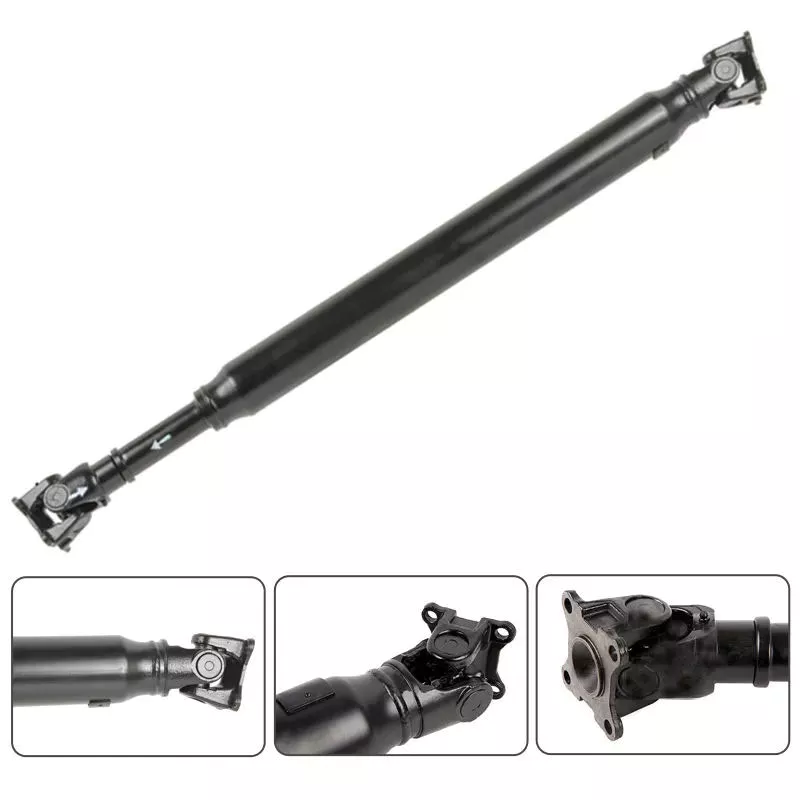
Maintenance fees
The cost of repairing a driveshaft varies widely, depending on the type and cause of the problem. A new driveshaft costs between $300 and $1,300, including labor. Repairing a damaged driveshaft can cost anywhere from $200 to $300, depending on the time required and the type of parts required. Symptoms of a damaged driveshaft include unresponsiveness, vibration, chassis noise and a stationary car.
The first thing to consider when estimating the cost of repairing a driveshaft is the type of vehicle you have. Some vehicles have more than one, and the parts used to make them may not be compatible with other cars. Even if the same car has two driveshafts, the damaged ones will cost more. Fortunately, many auto repair shops offer free quotes to repair damaged driveshafts, but be aware that such work can be complicated and expensive.
editor by czh 2022-12-18
China Car Parts Motorcycle Auto Spare Part Auto Accessory Drive Center Support Bearing Drive Shaft for Mazda 549235h49A drive shaft adapter
Item Description
Merchandise details:
| Item identify | Heart Bearing,Propshaft Middle Assist Bearing | ||||||||||||||||||||||||||||||||||||||||||||||||||||||||||||||||||||||||
| Oem | 549235H49A | ||||||||||||||||||||||||||||||||||||||||||||||||||||||||||||||||||||||||
| Product | MAZDA | ||||||||||||||||||||||||||||||||||||||||||||||||||||||||||||||||||||||||
| Model | KRC | ||||||||||||||||||||||||||||||||||||||||||||||||||||||||||||||||||||||||
| Warrenty | One particular 12 months | ||||||||||||||||||||||||||||||||||||||||||||||||||||||||||||||||||||||||
| MOQ | 1 37521-J21-MBR 39541 70*twenty 75*twenty N217571 N235150 N211187X N212571-1X 232615 93157626 42536961 654411 381410571 3814105712 KNC.AB.20643 KNC.AB.20907 KNC.AB.20503 2571428 42560645 123 93163689 93190884 V06 93157126 4K11254 3 42535254 425607 8171366 263567 1696389 R3034/R3062 R3037/R3063 R-3064 R3045/R3067 R-3074 R-3050 37201-37571 41-193 37230-0K040 41-381
FAQ: Q2:What merchandise your company source? Q3:What is the MOQ of each item? This autumn: Do you give any gurantee to your merchandise? Q5. how does to control high quality of your goods? Q6. How long for delivery time right after shell out deposit? Q7 How can I pay you? Q8. What is the buy porcedure?
###
###
###
###
###
###
###
###
Drive shaft typeThe driveshaft transfers torque from the engine to the wheels and is responsible for the smooth running of the vehicle. Its design had to compensate for differences in length and angle. It must also ensure perfect synchronization between its joints. The drive shaft should be made of high-grade materials to achieve the best balance of stiffness and elasticity. There are three main types of drive shafts. These include: end yokes, tube yokes and tapered shafts. tube yokeTube yokes are shaft assemblies that use metallic materials as the main structural component. The yoke includes a uniform, substantially uniform wall thickness, a first end and an axially extending second end. The first diameter of the drive shaft is greater than the second diameter, and the yoke further includes a pair of opposing lugs extending from the second end. These lugs have holes at the ends for attaching the axle to the vehicle. end yokeIf your driveshaft requires a new end yoke, CZPT has several drivetrain options. Our automotive end yoke inventory includes keyed and non-keyed options. If you need tapered or straight holes, we can also make them for you.
China wa380-6 loader drive shaft bearing 423-20-15113 drive shaft axleCondition: New |
Different parts of the drive shaft
The driveshaft is the flexible rod that transmits torque between the transmission and the differential. The term drive shaft may also refer to a cardan shaft, a transmission shaft or a propeller shaft. Parts of the drive shaft are varied and include:
The driveshaft is a flexible rod that transmits torque from the transmission to the differential
When the driveshaft in your car starts to fail, you should seek professional help as soon as possible to fix the problem. A damaged driveshaft can often be heard. This noise sounds like “tak tak” and is usually more pronounced during sharp turns. However, if you can’t hear the noise while driving, you can check the condition of the car yourself.
The drive shaft is an important part of the automobile transmission system. It transfers torque from the transmission to the differential, which then transfers it to the wheels. The system is complex, but still critical to the proper functioning of the car. It is the flexible rod that connects all other parts of the drivetrain. The driveshaft is the most important part of the drivetrain, and understanding its function will make it easier for you to properly maintain your car.
Driveshafts are used in different vehicles, including front-wheel drive, four-wheel drive, and front-engine rear-wheel drive. Drive shafts are also used in motorcycles, locomotives and ships. Common front-engine, rear-wheel drive vehicle configurations are shown below. The type of tube used depends on the size, speed and strength of the drive shaft.
The output shaft is also supported by the output link, which has two identical supports. The upper part of the drive module supports a large tapered roller bearing, while the opposite flange end is supported by a parallel roller bearing. This ensures that the torque transfer between the differentials is efficient. If you want to learn more about car differentials, read this article.
It is also known as cardan shaft, propeller shaft or drive shaft
A propshaft or propshaft is a mechanical component that transmits rotation or torque from an engine or transmission to the front or rear wheels of a vehicle. Because the axes are not directly connected to each other, it must allow relative motion. Because of its role in propelling the vehicle, it is important to understand the components of the driveshaft. Here are some common types.
Isokinetic Joint: This type of joint guarantees that the output speed is the same as the input speed. To achieve this, it must be mounted back-to-back on a plane that bisects the drive angle. Then mount the two gimbal joints back-to-back and adjust their relative positions so that the velocity changes at one joint are offset by the other joint.
Driveshaft: The driveshaft is the transverse shaft that transmits power to the front wheels. Driveshaft: The driveshaft connects the rear differential to the transmission. The shaft is part of a drive shaft assembly that includes a drive shaft, a slip joint, and a universal joint. This shaft provides rotational torque to the drive shaft.
Dual Cardan Joints: This type of driveshaft uses two cardan joints mounted back-to-back. The center yoke replaces the intermediate shaft. For the duplex universal joint to work properly, the angle between the input shaft and the output shaft must be equal. Once aligned, the two axes will operate as CV joints. An improved version of the dual gimbal is the Thompson coupling, which offers slightly more efficiency at the cost of added complexity.
It transmits torque at different angles between driveline components
A vehicle’s driveline consists of various components that transmit power from the engine to the wheels. This includes axles, propshafts, CV joints and differentials. Together, these components transmit torque at different angles between driveline components. A car’s powertrain can only function properly if all its components work in harmony. Without these components, power from the engine would stop at the transmission, which is not the case with a car.
The CV driveshaft design provides smoother operation at higher operating angles and extends differential and transfer case life. The assembly’s central pivot point intersects the joint angle and transmits smooth rotational power and surface speed through the drivetrain. In some cases, the C.V. “U” connector. Drive shafts are not the best choice because the joint angles of the “U” joints are often substantially unequal and can cause torsional vibration.
Driveshafts also have different names, including driveshafts. A car’s driveshaft transfers torque from the transmission to the differential, which is then distributed to other driveline components. A power take-off (PTO) shaft is similar to a prop shaft. They transmit mechanical power to connected components. They are critical to the performance of any car. If any of these components are damaged, the entire drivetrain will not function properly.
A car’s powertrain can be complex and difficult to maintain. Adding vibration to the drivetrain can cause premature wear and shorten overall life. This driveshaft tip focuses on driveshaft assembly, operation, and maintenance, and how to troubleshoot any problems that may arise. Adding proper solutions to pain points can extend the life of the driveshaft. If you’re in the market for a new or used car, be sure to read this article.
it consists of several parts
“It consists of several parts” is one of seven small prints. This word consists of 10 letters and is one of the hardest words to say. However, it can be explained simply by comparing it to a cow’s kidney. The cocoa bean has several parts, and the inside of the cocoa bean before bursting has distinct lines. This article will discuss the different parts of the cocoa bean and provide a fun way to learn more about the word.
Replacement is expensive
Replacing a car’s driveshaft can be an expensive affair, and it’s not the only part that needs servicing. A damaged drive shaft can also cause other problems. This is why getting estimates from different repair shops is essential. Often, a simple repair is cheaper than replacing the entire unit. Listed below are some tips for saving money when replacing a driveshaft. Listed below are some of the costs associated with repairs:
First, learn how to determine if your vehicle needs a driveshaft replacement. Damaged driveshaft components can cause intermittent or lack of power. Additionally, improperly installed or assembled driveshaft components can cause problems with the daily operation of the car. Whenever you suspect that your car needs a driveshaft repair, seek professional advice. A professional mechanic will have the knowledge and experience needed to properly solve the problem.
Second, know which parts need servicing. Check the u-joint bushing. They should be free of crumbs and not cracked. Also, check the center support bearing. If this part is damaged, the entire drive shaft needs to be replaced. Finally, know which parts to replace. The maintenance cost of the drive shaft is significantly lower than the maintenance cost. Finally, determine if the repaired driveshaft is suitable for your vehicle.
If you suspect your driveshaft needs service, make an appointment with a repair shop as soon as possible. If you are experiencing vibration and rough riding, driveshaft repairs may be the best way to prevent costly repairs in the future. Also, if your car is experiencing unusual noise and vibration, a driveshaft repair may be a quick and easy solution. If you don’t know how to diagnose a problem with your car, you can take it to a mechanic for an appointment and a quote.
editor by czh
in Dhanbad India sales price shop near me near me shop factory supplier 1300 1300k Series Ring Cold Machine Self-Aligning Ball Bearing manufacturer best Cost Custom Cheap wholesaler

Full use has been made of all types of superior methods and engineering to get to excelsior production. specialize in energy transmission items, CATV products, mechanical seal, hydraulic and Pheumatic, and promotional goods. In this way, our items have continued to acquire market place acceptance and customers fulfillment over the earlier handful of a long time. About Self-aligning Ball EPTT
Self-aligning ball bearings have two rows of balls and a common sphered raceway in the outer ring. The bearings are insensitive to angular misalignment of the shaft relative to the housing.
Self-aligning ball bearings create significantly less friction than any other type of rolling bearing, which enables them to operate cooler even at substantial speeds.
Self aligning ball bearings are non separable double-row radial bearings:
- Outstanding alignment compensation due to the spherical outer ring raceway
- Suited for lower to medium radial loads and lower thrust loads
- Obtainable in open and sealed versions, as well as in EPTTred bore (suffix K)
- StXiHu (West EPT) Dis.Hu (West EPT) Dis.rds: DIN 616, DIN 630
Sequence: 1200, 1300, 2200, 2300, 11200, 11300
Parameters
| EPTT No. | Boundary dimensions | Mass | ||
| mm | kg | |||
| d | D | B | #8776 | |
| 1300 | 10 | 35 | 11 | .058 |
| 1301 | twelve | 37 | twelve | .066 |
| 1302 | 15 | forty two | thirteen | .092 |
| 1303 | seventeen | forty seven | fourteen | .128 |
| 1304 | 20 | fifty two | fifteen | .16 |
| 1304K | 20 | 52 | fifteen | .158 |
| 1305 | twenty five | 62 | 17 | .255 |
| 1305K | twenty five | sixty two | 17 | .251 |
| 1306 | thirty | seventy two | 19 | .383 |
| 1306K | thirty | seventy two | 19 | .377 |
| 1307 | 35 | 80 | 21 | .five |
| 1307K | 35 | 80 | 21 | .492 |
| 1308 | forty | ninety | 23 | .709 |
| 1308K | 40 | 90 | 23 | .698 |
| 1309 | 45 | 100 | twenty five | .953 |
| 1309K | 45 | one hundred | 25 | .938 |
| 1310 | fifty | a hundred and ten | 27 | one.two |
| 1310K | fifty | a hundred and ten | 27 | 1.eighteen |
| 1311 | fifty five | 120 | 29 | one.58 |
| 1311K | 55 | 120 | 29 | 1.fifty six |
| 1312 | 60 | 130 | 31 | 1.ninety six |
| 1312K | sixty | a hundred thirty | 31 | 1.93 |
| 1313 | sixty five | one hundred forty | 33 | 2.42 |
| 1313K | sixty five | 140 | 33 | 2.38 |
| 1314 | 70 | a hundred and fifty | 35 | two.99 |
| 1315 | seventy five | one hundred sixty | 37 | 3.55 |
| 1315K | seventy five | one hundred sixty | 37 | three.5 |
| 1316 | 80 | 170 | 39 | 4.17 |
| 1316K | 80 | a hundred and seventy | 39 | 4.eleven |
| 1317 | 85 | a hundred and eighty | 41 | four.ninety six |
| 1317K | eighty five | 180 | forty one | four.89 |
| 1318 | 90 | a hundred ninety | forty three | 5.78 |
| 1318K | ninety | one hundred ninety | 43 | 5.sixty nine |
| 1319 | 95 | two hundred | 45 | six.69 |
| 1319K | ninety five | 200 | 45 | 6.59 |
| 1320 | one hundred | 215 | 47 | eight.3 |
| 1320K | 100 | 215 | forty seven | 8.19 |
| 1321 | one zero five | 225 | 49 | 10 |
| 1322 | a hundred and ten | 240 | 50 | eleven.eight |
| 1322K | 110 | 240 | fifty | eleven.seven |
We also supply amp make
| Ball EPTT | Deep Groove Ball EPTT |
sixty **,618 ** (1008), 619**(1009),sixty two **, 63 **, 64 **, 160 **(70001 ) |
| Thrust Ball EPTT |
511 ** (eighty one) ,512 **(eighty two) ,513 (83) ,514 ** (eighty four) series and Angular Make contact with Thrust all EPTTs like: 5617 ** (1687) ,5691 ** (91681), 5692 ** (91682) series |
|
| Angular Speak to Ball bearing |
SN718 **(11068 ) ,70 ** 72 **,73 **, and B (sixty six), C (36), AC (forty six) collection otherwise incEPTT QJ and QJF sequence |
|
| Roller EPTT | Spherical Roller bearing |
239**, 230**,240**, 231**, 241**, 222**, 232**, 223**, 233**, 213**, 238**, 248**, 249**and EPTT series incEPTT 26** i.e 2638 (3738), 2644 (3844) and so on |
| EPTTper Roller EPTT |
329**(20079),210**(71), 320**(20071),302**(72), 322**(seventy five), 303**(seventy three), 313**(273),323**(seventy six), 3519**(1571), 3529**(2571),3510**(971), 3520**(2571),3511**(10977), 3521**(20977), 3522**(975), 319**(10076),3819**(1571),3829**(2571), 3810**(777,771), 3820**(2571), 3811**(10777,777) for example: 77752, 77788, 77779 and also incEPTT Inch series bearings these kinds of as 938/932 one and double row i.e M255410CD and so on. |
|
| Thrust Roller EPTT |
292**(90392), 293**(90393),294**(90394),994**(90194), and 9069 series. |
|
| Cylindrical Roller EPTT |
NU10**, NU2**,NU22**, NU3**,NU23**, NU4**, N, NJ ,NUP collection as properly as NB, NN, NNU collection of huge bearings, and we also have SpEPTT EPTTs 412740, 422740 employed in cement sector.And FC, FCD sequence utilised in steel Sector. |
Advantages and Features
- XSY bearing EPTT, Ltd. has its own manufacturing facility. We make sure to offer you the most aggressive price.
- XSY bearing EPTT, Ltd. has a skilled R ampD staff and an after-sale staff, so what you purchase is leading-stop, and what you use is high quality amp service guaranteed.
- XSY bearing EPTT, Ltd. is a bearing producer considering that 1990. Prosperous experience tends to make us much more professional.
- The bearing is EPTT toughness, substantial pace and minimal sounds.
- OEM amp ODM are obtainable.
- All types of bearing simples are obtainable.
Aout us
ZheJiang XSY bearing EPTT, Ltd. is an EPTTrprise majoring in the producing of precision bearings. It has a integrate service EPT of study, creating and income. The bearings with manufacturer trademark of quotEPT quot acquire good quality reputation in domestic bearing marketplace. The company is equipped with contemporary production faXiHu (West EPT) Dis.Hu (West EPT) Dis.ties and EPTd testing instruments, mainly specific to EPTTed top-selection goods. We skillfully generate precise bearings this kind of as spherical roller bearings, thrust ball bearings, deep groove ball bearings, cylindrical roller bearings, EPTTred roller bearings, thrust spherical roller bearings and so on. The productions are widely employed as auXiHu (West EPT) Dis.liary products in metallurgy, EPT EPTT, EPT, petroleum, chemical, coal, cement, paper creating, wind electrical power, weighty EPTTry, engineering EPTTry, port EPTTry and other EPTT.
Packaging amp Shipments
EPTT Particulars:
1.tube /plastic bag box cartons pallets
2.plastic bag one box cartons pallets
three.EPTT EPTT cartons pallets
Shipping and delivery Details:
Less than 1000PCS, produce in five daEPTTby Convey or Airplane.
Far more than 1000PCS, deliver inside of 15 daEPTTby sea.
Application
As their roller linearly come into contact with interior and outer ring with significantly less coeffcient frictiion, these bearings have really excellent potential of radial load, ideal for electric motors, cars, tasnsmission shafts, EPT shafts and so on. EPTT row cylindrical roller bearings are excellent at the spindles of EPTT tools.
FAQ
one. Are you a manufacturing facility or a buying and selling organization?
ZheJiang XSY EPTT EPTT, Ltd. is a skilled manufacture of deep groove ball bearings and other bearings.
two. Is OEM offered?
Of course, OEM is obtainable. We have professional designer to help your manufacturer promotion.
three. Is the sample obtainable?
Indeed, samples are accessible for you to check the quality.
four. Have the merchandise been examined ahead of shipping and delivery?
Sure, all of our bearings have been examined just before shipping.
five. How EPTT is your supply time?
As described over, there are various varieties of delivery for your buy. We make sure to provide goods once all goods are developed and examined.
6. What is your terms of payment ?
You can pay out by T/T, L/C, Westunion, Paypal,and many others., and it can be negotiated in accordance to various orders with different volume.
7. Can we check out your manufacturing facility ?
Positive. Welcome to XSY EPTT EPTT, Ltd. and provide your variety tips.
Contact us


in Dresden Germany sales price shop near me near me shop factory supplier 513210 Wheel Bearing and Hub Assembly for BMW manufacturer best Cost Custom Cheap wholesaler

With several years’ knowledge in this line, we will be trustworthy by our benefits in competitive cost, 1-time supply, prompt reaction, on-hand engineering help and great following-revenue providers.Moreover, all our generation processes are in compliance with ISO9001 specifications. Owing to our sincerity in offering best provider to our customers, knowing of your requirements and overriding feeling of accountability towards filling purchasing specifications, Trying to keep in head that good service is the crucial to cooperating with customers, we attempt to satisfy high quality specifications, supply aggressive rates and guarantee prompt supply.
1.Model:513210,BR930396,FW9210,31226765601
2.Solution Specification:
Entrance Axle
Flange Diameter: five.6 In.
Bolt Circle Diameter: four.seven In.
Wheel Pilot Diameter: two.nine In.
Brake Pilot Diameter: 3.one In.
Flange Offset: 2 In.
Hub Pilot Diameter: three.5 In.
Hub Bolt Circle Diameter: one.1 In.
Bolt EPTtity: five
Bolt Hole qty: 4
Ab muscles Sensor: No
Number of Splines: thirty
BMW 525i 2006-2007 RWD
BMW 528i 2008-2009
BMW 530i 2004-2007
BMW 535i 2008-2009
BMW 545i 2004-2005
BMW 550i 2006-2009
BMW 645Ci 2004-2005
BMW 650i 2006-2009
three.About us :
We are EPTTize in manufacturing wide range of automotive wheel bearing, wheel hub bearing, wheel hub for European and American, Japanese, Korean cars:
one. The DAC Sequence wheel bearing
2. The 2nd era wheel Hub Models
3. The 3rd technology wheel Hub bearing
We have passed the analysis of ISO9001:2000 , TS16949 EPTT management technique certification and we imagine that high quality and support is important to accomplishment .our organization will alwaEPTToffer large high quality goods and fulfilling following-sale support to all our consumers .
The largely wheel hub bearing,Hub assembly we produce as adhering to:
| 510038 | 512000 | 512001 | 512002 | 512003 | 512004 | 512006 | 512008 | 512007 | 512009 |
| 512571 | 512011 | 512012 | 512013 | 512014 | 512016 | 512018 | 512019 | 512571 | 512571 |
| 512571 | 512571 | 512571 | 512571 | 512303 | 512026 | 512571 | 512571 | 512571 | 512030 |
| 512031 | 512032 | 512033 | 512034 | 512036 | 512038 | 512039 | 512040 | MB663557 | 512041 |
| 512042 | 512078 | 512105 | 512106 | 512107 | 512118 | 512119 | 512120 | 512123 | 512124 |
| 512125 | 512133 | 512136 | 512137 | 512144 | 512145 | 512147 | 512148 | 512149 | 512150 |
| 512151 | 512152 | 512153 | 512154 | 512155 | 512156 | 512157 | 512158 | 512159 | 512161 |
| 512162 | 512163 | 512164 | 512165 | 512166 | 512167 | 512168 | 512169 | 512170 | 512172 |
| 512174 | 512175 | 512176 | 512177 | 512178 | 512179 | 512180 | 512181 | 512182 | 512183 |
| 512184 | 512185 | 512186 | 512187 | 512188 | 512189 | 512190 | 512191 | 512192 | 512193 |
| 512194 | 512195 | 512196 | 512197 | 512198 | 512199 | 512200 | 512201 | 512202 | 512203 |
| 512203N | 512205 | 512206 | 512207 | 512208 | 512209 | 512210 | 512211 | 512212 | 512213 |
| 512215 | 512216 | 512217 | 512218 | 512219 | 512220 | 512221 | 512222 | 512223 | 512225 |
| 512227 | 512228 | 512229 | 512230 | 512231 | 512232 | 512233 | 512235 | 512236 | 512237 |
| 512238 | 512240 | 512241 | 512243 | 512244 | 512245 | 512246 | 512247 | 512248 | 512250 |
| 512252 | 512253 | 512256 | 512257 | 512258 | 512259 | 512260 | 512265 | 512267 | 512268 |
| 512269 | 512270 | 512271 | 512272 | 512273 | 512274 | 512275 | 512276 | 512277 | 512280 |
| 512281 | 512282 | 512283 | 512284 | 512285 | 512287 | 512288 | 512289 | 512290 | 512291 |
| 512292 | 512293 | 512294 | 512295 | 512299 | 512300 | 512301 | 512302 | 512304 | 512305 |
| 512307 | 512308 | 512309 | 512310 | 512311 | 512312 | 512313 | 512315 | 512316 | 512317 |
| 512319 | 512320 | 512321 | 512323 | 512324 | 512325 | 512326 | 512327 | 512329 | 512331 |
| 512332 | 512333 | 512334 | 512335 | 512336 | 512337 | 512338 | 512339 | 512340 | 512341 |
| 512342 | 512344 | 512345 | 512346 | 512347 | 512348 | 512349 | 512350 | 512351 | 512352 |
| 512353 | 512354 | 512357 | 512358 | 512360 | 512362 | 512363 | 512367 | 512369 | 512370 |
| 512371 | 512372 | 512373 | 512374 | 512375 | 512383 | 512384 | 512386 | 512388 | 512393 |
| 512394 | 512398 | 512400 | 512401 | 512403 | 512407 | 512408 | 512409 | 512412 | 512418 |
| 512419 | 512420 | 512424 | 512426 | 512427 | 512446 | 512449 | 512452 | 512460 | 513003 |
| 513009 | 513011 | 513012 | 513013 | 513014 | 513016 | 513017 | 513018 | 513019 | 513571 |
| 513571 | 513030 | 513033 | 513034 | 513035 | 513036 | 513041 | 513042 | 513044 | 513050 |
| 513058 | 513059 | 513061 | 513062 | 513074 | 513075 | 513076 | 513077 | 513080 | 513081 |
| 513082 | 513084 | 513085 | 513086 | 513087 | 513088 | 513089 | 513090 | 513092 | 513094 |
| 513096 | 513098 | 513100 | 513104 | 513105 | 513107 | 513109 | 513111 | 513121 | 513122 |
| 513123 | 513124 | 513125 | 513131 | 513132 | 513133 | 513135 | 513137 | 513138 | 513139 |
| 513152 | 513156 | 513157 | 513158 | 513159 | 513160 | 513164 | 513166 | 513167 | 513169 |
| 513170 | 513171 | 513172 | 513173 | 513174 | 513175 | 513176 | 513177 | 513178 | 513179 |
| 513186 | 513187 | 513188 | 513189 | 513190 | 513191 | 513192 | 513193 | 513194 | 513196 |
| 513197 | 513198 | 513199 | 513200 | 513201 | 513202 | 513203 | 513204 | 513205 | 513206 |
| 513207 | 513208 | 513209 | 513210 | 513211 | 513212 | 513213 | 513214 | 513215 | 513217 |
| 513218 | 513219 | 513220 | 513221 | 513222 | 513223 | 513224 | 513225 | 513226 | 513227 |
| 513228 | 513229 | 513230 | 513231 | 513232 | 513233 | 513234 | 513236 | 513237 | 513250 |
| 513252 | 513253 | 513254 | 513255 | 513256 | 513257 | 513258 | 513260 | 513261 | 513262 |
| 513263 | 513264 | 513265 | 513266 | 513267 | 513268 | 513270 | 513271 | 513272 | 513273 |
| 513275 | 513276 | 513277 | 513280 | 513282 | 513285 | 513286 | 513288 | 513290 | 513294 |
| 513295 | 513296 | 513297 | 513298 | 513299 | 513301 | 513305 | 513306 | 513307 | 513308 |
| 513309 | 513310 | 513315 | 513324 | 513325 | 515000 | 515001 | 515002 | 515003 | 515004 |
| 515005 | 515006 | 515007 | 515008 | 515009 | 515571 | 515011 | 515012 | 515013 | 515014 |
| 515015 | 515016 | 515017 | 515018 | 515019 | 515571 | 515571 | 515571 | 515571 | 515571 |
| 515571 | 515026 | 515571 | 515571 | 515571 | 515030 | 515031 | 515032 | 515033 | 515034 |
| 515035 | 515036 | 515037 | 515038 | 515039 | 515040 | 515041 | 515042 | 515043 | 515044 |
| 515046 | 515047 | 515048 | 515049 | 515050 | 515051 | 515052 | 515053 | 515054 | 515055 |
| 515056 | 515057 | 515058 | 515059 | 515060 | 515061 | 515062 | 515063 | 515064 | 515065 |
| 515066 | 515067 | 515068 | 515069 | 515070 | 515071 | 515072 | 515073 | 515074 | 515075 |
| 515076 | 515077 | 515078 | 515079 | 515080 | 515081 | 515082 | 515083 | 515084 | 515086 |
| 515087 | 515088 | 515089 | 515090 | 515091 | 515092 | 515093 | 515094 | 515095 | 515096 |
| 515097 | 515098 | 515099 | 515100 | 515101 | 515102 | 515103 | 515104 | 515105 | 515106 |
| 515107 | 515108 | 515109 | 515110 | 515111 | 515113 | 515115 | 515117 | 515118 | 515119 |
| 515120 | 515121 | 515122 | 515123 | 515126 | 515136 | 515150 | 518500 | 518501 | 518502 |
| 518503 | 518505 | 518506 | 518507 | 518508 | 518509 | 518510 | 518511 | 518512 | 518514 |
| 518515 | 518516 | 520000 | 525710 | 521000 | 521001 | 521002 | 541001 | 541002 | 541003 |
| 541004 | 541005 | 541008 | 541009 | 541571 | 541011 | 580494 | 59571 | 590046 | 590061 |
| MR594494 | 513004K | 513011K | 513016K | 513017K | 513115 | EPT500701 | EPT590002 | EPT590072 | EPT590125 |
| EPT590142 | EPT590153 | EPT590164 | EPT590262 | EPT595715 | EPT590308 | EPT590330 | EPT590367 | EPT590409 | EPT597957 |
| EPT599863 | EPT590124 | SP500703 | SP55571 | BR930838 | BR930762 | 1603208 | 1603210 | 1603211 | 1603243 |
| 1603253 | 1603254 | 1603255 | 1603294 | 1603295 | 1604003 | 1604004 | 1604005 | 165715 | 1J0 501 611C |
| 4381043 | 7603485 | 7769902 | 7787124 | 13557128 | 2595718 | 46519901 | 51754192 | 51754941 | 9571629 |
| 96639607 | 33411095652 | 1DACF6-ninety eight/forty four | 43200-50Y07 | 43200-30R06 | 45710-67F50 | IR-2221 | 35716AC | 42200-SEL-T51 | 42200-SAA-G51 |
| 42450-47030 | 35BCD08-2LR | 3DACF10-eighty five/52 | 43402-60G21 | 43210-61A06 | 43200-21B00 | 42200-S5A-008 | 43202-4M400 | 43200-6M000 | 90369-28006 |
| 46860-63J00 | 2DACF6-100/fifty seven | 42410-87101 | 2DACF6-a hundred/565 | 28BWK12 | 42410-12130 | 28BWK15 | 43402-77A10 | 2DACF8-935/545-I | 42200-SAA-G02 |
| MB242820 | MB515470 | 42200-EPT4-018 | 42200-EPT4-018 | HUB181 | 52710-2D100 | 2DACF3-sixty four/206 | BAFB35711 | 2DACF4-one hundred/447 | 43202-34B00 |
| 2DACF4-100/495 | 2DACF4-100/495-I | 43202-50Y10 | 2DACF4-100/526-II | 2DACF4-one hundred/565 | 2DACF4-one hundred/565 | 2DACF4-106/372 | 28474-AE000 | 2DACF4-112/355 | 2DACF4-1143/505 |
| 27BWK03 Abdominal muscles | 52710-57100 | 52710-29450 | 52710-29400 | 52710-29XXX | MR992374 | 90369-30044 | 2DACF5-1143/forty nine-III | 43200-31U00 | 43200-9F510 |
| 43200-30R07 | 3DACF11-99/75 | 90043-63248 | 2DACF6-112/485 | GA5R-26-15XA | LA01-33-04XB | 42409-44571 | 42410-52030 | 42450-57100 | 3DACF-026F-seven |
| 3DACF026F1AS | 42410-52571 | 42410-52070 | 42450-52606 | 3DACF-026F7-Ab muscles | 3DACF-026F7W | 42450-48571(1) | 42410-57170 | 42450-57180 | 96292254 |
| 3DACF026F-2A | 3DACF026F-2AC | 3DACF026F-1AC | 574566C | 574566B | 42410-87701 | 140980571 | 42460-48571 | 45710-VW000 | 52710-2D115 |
| 53KWH01 | 43570-6571 | 43560-26571 | 55BWKH01B | 55BWKH01U | 55BWKH01V | 55BWKHSOIL | 55BWKHSOIM | 2DACF6-a hundred and twenty/45 | 42410-42040 |
| 1DACF6-ninety eight/44 | 1DACF6-98/forty four | 1DACF6-98/forty four | 43200-50J15 | 43200-5F607 | 43202-72B00 | IR-2222 | 2DACF5-100/447 | 6Q0 598 611 | 2DACF6-a hundred/415 |
| 2DACF5-ninety five/702 | 12799815 | 89411-B2050 | DG409026W2RSEPT4SH2C4 | 89544-06070(L) | 89544-06070(R) | 42410-0D030 | 42450-57190 | 42450-48571 | 89544-52060 |
| 801344D | 8R29 2B663 AA | ST2749 | 35BCD08-S6 | 43215-H5000 | 2DACF5-100/56 | 2DACF6-one hundred/50 | 71714476 | 2DACF5-ninety eight/forty four | 3307.61 |
| 2DACF5-100/425 | BAFB446935 | 2DACF6-1143/fifty nine | 30884146 | 2DACF5-100/445 | 2DACF6-100/forty five | 542364BC | 4399856 | 1DACF6-98/forty four | 1604 004 |
| 3DACF10-84/78 | 3DACF11-eighty four/78-I | 3DACF10-eighty four/78-I | 2DACF9-104/39 | sixteen 03 209 | 2DACF9-104/39-I | 16 04 005 | 1383427 | 43502-35210 | 3571650 |
| D6512615XE | BR930870 | BR93571 | 6C111K018AA | 2DACF-975/40 | 1377908 | VKBA3553-93810034 | 46860-76G00 | J001-26-151 | 2DACF8-100/545 |
| 2DACF6-a hundred and ten/forty nine | 2DACF6-one hundred twenty/45-I | 2DACF6-120/forty five-II | MB584320 | MB663630 | 1DACF6-ninety eight/449 | 1DACF6-98/449-III | MR45718 | MB809577 | MB584790 |
| MR103654 | MB864968 | DACF1091/24 HUB/Stomach muscles | 42409-12571 | A21-3301210 | DG3062DWCS39 | 09269-35009 | 42200-SF4-0050 | 1915571 | 33BWK02L-Y-2CA15 |
| 30KWD01AG | 42200-SE0-004 | 2DACF8-a hundred/545-I | 2DACF8-one hundred/545 | 42200-SB2-016 | 2DACF8-a hundred/495-II | 42410-20060 | 43210-35F00 | 43210-AR100 | 42450-2571 |
| 43200-1E400 | 43200-WE205 | B603-26-15XB | F32Z-1104C | 42410-20130 | 43200-0M571 | 42200-SV1-J01 | 43200-2F500 | 43200-9F500 | 42200S-TK951 |
| 42200-S10-008 | 42201-S10-008 | 42200-S84-451 | 42200-S84-A51 | 43200-4M400 | 43200-07L00 | 2DACF5-1143/49-I | 42200-S10-A01 | 42201-S10-A01 | 4345719J50000 |
| 42200-S1A-E02 | 42200-S87-A51 | 42200-TA0-A51 42200-TC0-T51 |
42200-TC0-T51 | 42200-S5A-A21 | 42200-SZ3-A51 | 43402-54G10 | 43402-54G22 | 43402-57L51 | 2DACF5-1143/565 |
| 2DACF5-1143/565-I | 42200-SEL-T01 | 2DACF8-a hundred/545 | 42200-SAA-G51 | HUB480 | HUR056 | 52750-0U000 | 52710-3X000 | GS1D2615XA | GS1D-26-15XA |
| 3121 1131 297 | 43202-21B00 | 43200-0M001 | 43202-50Y02 | 43200-4F805 | 43200-BM400 | 43200-2F000 | 49BWKH54 | BAF0134 | 43202-8J100 |
| seventy seven 01 204 665 | 45712-CA571 | 95 619 162 | 7704057162 | 1DACF6-100/555 | 1DACF6-a hundred/555-I | 7701208075 | 3701.forty two | 432002-F500 | |
| 2DACF5-108/436 | 3701.sixty one | 52720-24000 | UNI-HUB one | UNI-HUB four | 6Q0 407 621 Ad | 7T16-2C299-BB | 633807 | 43200-85E11 | 3748.35 |
| 8E0501611J | 770125710 | 9161455 | 1603209 | sixteen 03 211 | 1603211 | sixteen 04 002 | 3748.69 | 3748.forty one | 6K9501477 |
| 3748.74 | 3748.44 | 7H0498611 | 1604 315 | 3M51-2C299RBB | 43202-00QAC | 3748.85 | 42450-57160 | 51754942 | 33 forty one six 795 961 |
| 3N61-2C299A | 43550-57120 | 42450-52040 | 5154262AA | 3880A015 | 3780A007 | 51750-4H050 | 45712-JR71C | VKBA3588 | 43200-5M000 |
| 3DACF026-7A | 3DACF-026F1-Abs | 45712-CG110 | 45712-EB70C | 45712-EB71C | 45712-ED000 | 45712-ED510 | 45712-EE500 | 45712-EL000 | 45712-JE20A |
| 45712-JR70A | 45712-JR70B | 45712-JX00A | 45713-9W60A | 45713-JN01A | 42410-57101 | 42410-12210-k | 42410-12240 | 42410-32100 | 42410-B1571 |
| 42450-57140 | 42450-05040 | 42450-06060L | 42450-06060R | 42450-06130 | 42450-12100 | 42450-28012 | 42450-47040 | 42450-60070 | 42450-63011 |
| 42460-06090 | 42460-60030 | 43200-0E000 | 43200-50J06 | 43200-50Y12 | 43200-AV700 | 43202-1KA0A | 43202-50Y07 | 43202-9W200 | 43202-CA571 |
| 43202-CA06C | 43202-CN000 | 43202-ED510 | 43202-JE60A | 43202-JG100 | 43202-JN00A | 43202-JX00A | 43210-WL000 | 43401-65J02 | 43502-BZ571 |
| 43550-0D050 | 43550-42571 | 43560-3571 | 43570-6571 | 46453887 | 51750-4H000 | 52710-24000 | 52710-29460 | 52710-29460 Stomach muscles | 52710-2E000 |
| 52730-2H100 | 52730-38100 | 52730-3K100 | 52750-1C000 | 52750-1G000 | 52750-1G100 | 52750-26000 | 6M51-2C299-AA | 6M51-2C300-AC | 6Q0 407 621BK |
| 6Q0407621AJ | 6Q571611 | 6X0 501 477 | 7L0 498 611 | 8E0 598 611B | A11-3357130BC | A21-357130 | B455-26-15XA | BP4K-26-15XF | D651-26-15XD |
| DG357217WYA12RK | DG357226W2RSC4 | MB844919 | MR316451 | MR594142 | NAVARA 4X4 | NAVARA4X4-A | T11-3301210BA | 512460 | 43550-0D-070 NO Stomach muscles |
| 43550-0D-070 |
